In recent years, retail shrink – the loss of inventory at retail – has often been framed as a crime problem. Headlines focus on smash-and-grab thefts, organized retail crime, and viral videos that make losses feel sudden and uncontrollable.
But according to a recent Retail Dive article, that narrative misses the bigger issue.
In The Biggest Culprit in Shrink Is in the Store — But It’s Probably Not a Criminal, Retail Dive highlights what many retailers and brands are quietly experiencing every day: the majority of shrink comes from operational inefficiencies inside the store, WHAT ONCE WAS PERCEIVED AS not external theft.
The Hidden Drivers of Shrink
The article points to a range of everyday operational breakdowns that collectively account for a significant portion of inventory loss, including:
- Understaffed stores and backrooms
- Missed or late delivery appointments
- Mispricing and promotion errors
- Poor inventory visibility
- Products placed incorrectly or left in the backroom
Individually, these issues may seem minor. Together, they quietly erode margins at scale.
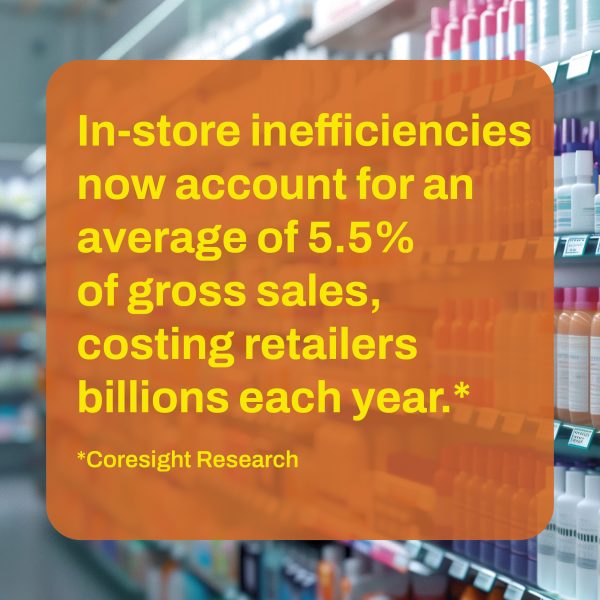
In fact, research cited in the article shows that in-store inefficiencies now account for an average of 5.5% of gross sales, costing retailers billions each year.
The takeaway is clear:
Shrink is often the result of process breakdowns, not criminal intent.
Where Bay Cities Fits In
At Bay Cities, we see shrink through the same lens described in the article: as an operational challenge that can be mitigated upstream. Many of the losses retailers experience today stem from execution breakdowns — mispriced products, incomplete fill rates, displays that never make it to the sales floor, and inventory that gets stuck in the backroom instead of generating revenue.
Across packaging, displays, and logistics, Bay Cities helps brands and retailers reduce shrink risk by improving inbound visibility and delivery reliability, reducing unnecessary handling and touch points, simplifying in-store execution for overextended teams, and creating more predictable, coordinated supply chains.
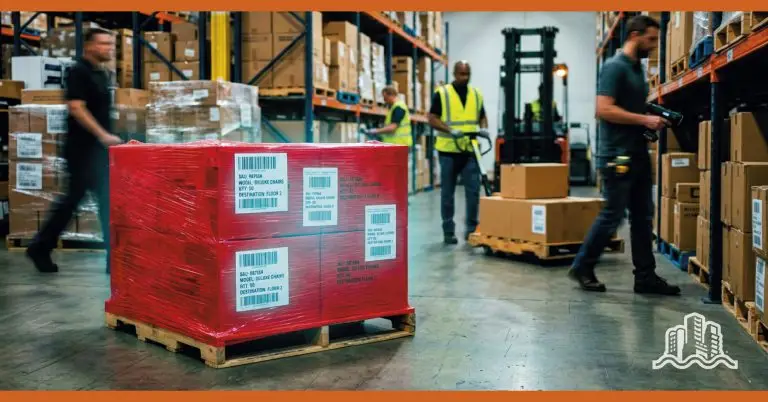
For example, Bay Cities’ Logistics team helps manage transportation and pre-paid freight programs with a focus on transparency and on-time performance — reducing missed appointments, backroom congestion, and the downstream inventory errors that often follow. Multi-vendor programs and coordinated display initiatives further streamline inbound flow and improve execution by minimizing delivery fragmentation and reducing complexity at the store level, where many shrink issues begin.
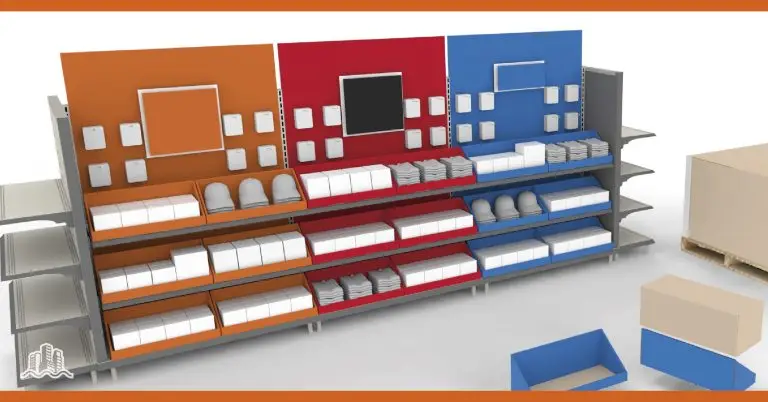
Store-ready solutions take this a step further by enabling store associates to simply open a box, place a pre-priced PDQ or assortment on the floor, and fill shelves quickly and accurately. The result is less backroom congestion, fewer execution errors, and more product where it belongs — on the sales floor, on time and in full, driving sales rather than sitting idle.
Shrink Prevention Starts Before Product Hits the Shelf
The message from Retail Dive is an important one: preventing shrink isn’t just about reacting to loss; it’s about preventing the conditions that create it.
Over the next several posts, we’ll take a closer look at how specific Bay Cities solutions help brands and retailers address these operational challenges head-on — from logistics and freight management to store-ready merchandising and coordinated delivery programs.
Because when execution improves, shrink doesn’t stand a chance.
Why Operational Efficiency Matters More Than Ever
Retail environments today are more complex than ever. Store teams are expected to do more with less, while managing higher SKU counts, tighter delivery windows, and increased execution demands.
When deliveries arrive late or unpredictably, store labor gets rushed. When inventory sits unmanaged in backrooms, visibility drops. When execution is inconsistent, product is misplaced, damaged, or never makes it to the shelf at all.
These are not failures of effort — they’re failures of systems, coordination, and execution.
Stay tuned for the rest of this blog series, where we’ll take a deeper dive into the specific ways Bay Cities helps brands and retailers combat operational inefficiencies and reduce shrink — from logistics and pre-paid freight to store-ready solutions and coordinated delivery programs.
If you’re ready to learn how Bay Cities can help simplify operations, improve execution, and protect your margins, get in touch today!