The Future of Grocery Retail: Trends Shaping Shopper Behavior, Merchandising, and Growth
The grocery industry is evolving quickly, driven by changing shopper behavior, digital disruption, and increasing pressure on retailers to differentiate.
Across the industry, several key grocery retail trends are reshaping how products are discovered, merchandised, and sold, creating new opportunities for brands that can move quickly, execute efficiently, and deliver stronger retail experiences.
1. The Rise of the Intentional Grocery Shopper
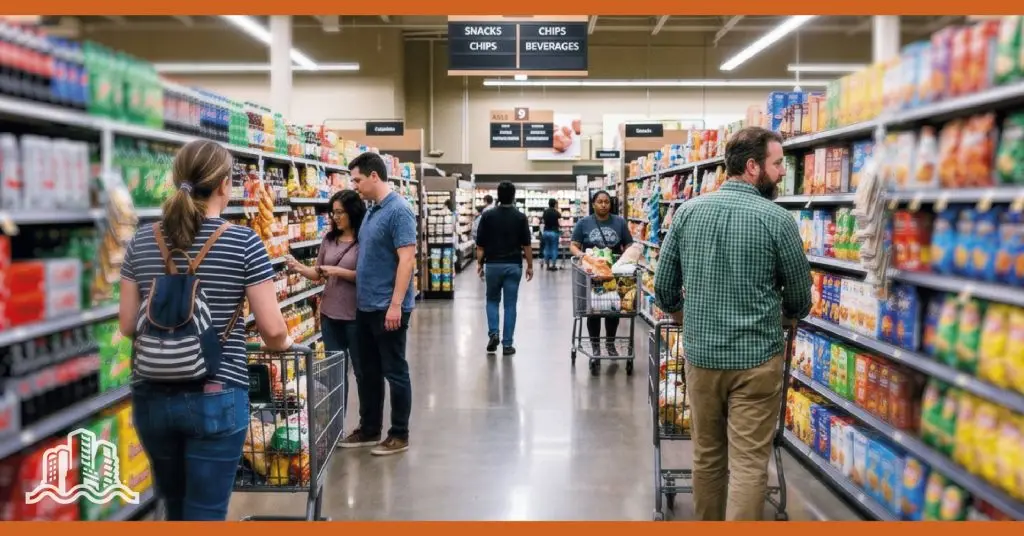
Today’s shopper is more deliberate, value-focused, and health-conscious. Smaller baskets, fewer impulse purchases, and more frequent trips are becoming the norm.
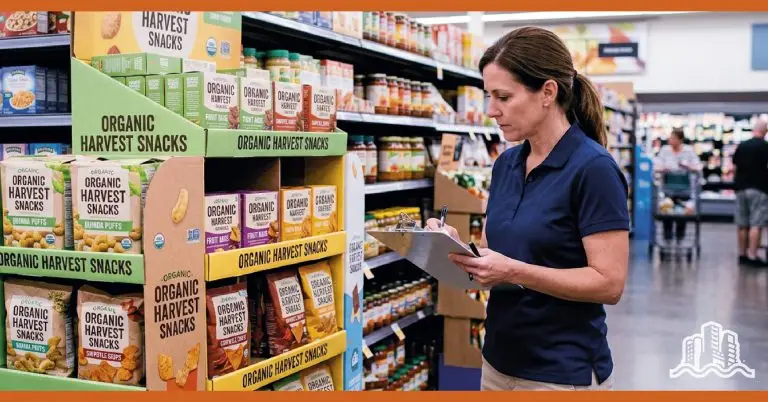
This shift is forcing brands to rethink how they capture attention at shelf. Packaging, displays, and merchandising now need to communicate value immediately while creating a more intuitive shopping experience.
As shopper behavior continues to evolve, brands that can move quickly from concept to retail execution, while maintaining consistency across packaging, displays, and fulfillment, will be better positioned to adapt to changing retail demands.
We help brands respond faster to these shifts through vertically integrated design, manufacturing, packout, and fulfillment capabilities that simplify execution and accelerate speed-to-market. By managing the process under one roof, brands gain more agility, better consistency, and faster rollout timelines.
2. Cross-Category Merchandising Is Replacing Traditional Displays
Impulse buying is declining, and retailers are investing in cross-category merchandising strategies that create more engaging, solution-based shopping experiences.
Yet impulse still matters. According to FMI, approximately 52% of general merchandise purchases in grocery stores are made on impulse, reinforcing the importance of strategically positioned displays that inspire discovery and encourage shoppers to add complementary products to their baskets. (FMI | Seasonal Merchandising: A Grocer’s Secret to Success
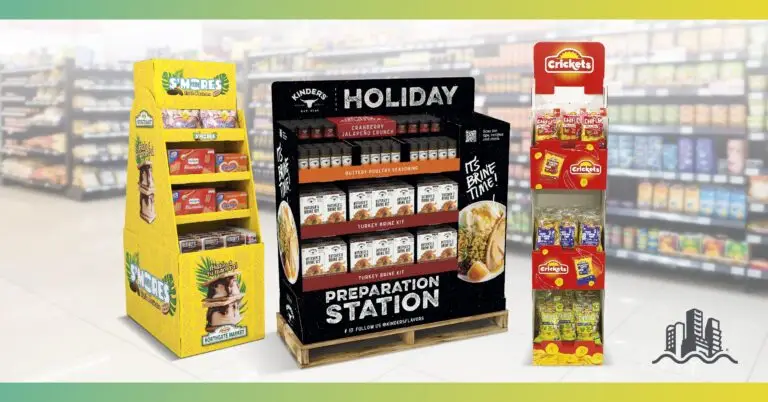
Rather than siloed products, retailers are looking for programs that bring complementary brands together to drive discovery and increase basket size.
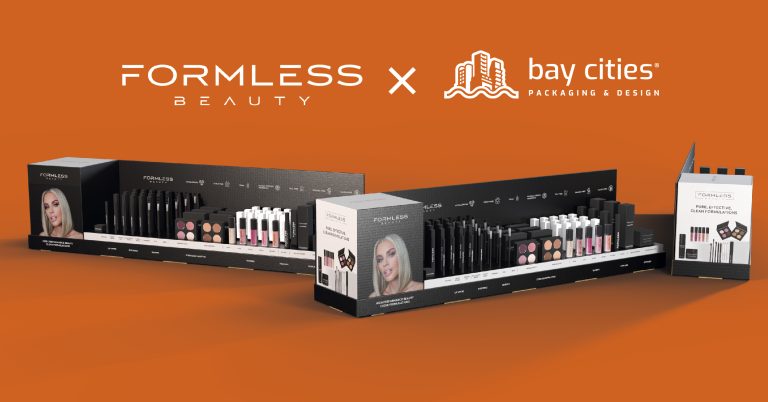
This creates a major opportunity for multi-vendor and retail program consolidation strategies that simplify execution while increasing product visibility throughout the supply chain and at shelf – an area where Bay Cities has extensive experience supporting national retail programs. Programs that arrive pre-assembled and retail-ready help reduce store labor while improving operational efficiencies across locations.
3. Personalization and Localized Assortments Are Now Expected
Retailers are prioritizing localized merchandising strategies that reflect specific communities and shopper segments.
As assortments become more regionalized and targeted, brands need agile packaging and display solutions that can scale efficiently while adapting to retailer-specific and region-specific needs.
Flexible production models, local manufacturing capabilities, and integrated fulfillment strategies can help reduce freight costs, improve responsiveness, and support faster retail rollouts.
4. Innovation Is Critical for Shelf Space
Retailers are increasingly acting as testing grounds for emerging brands and new products. Standing out now requires more than product innovation alone — packaging and displays must work harder to capture attention and support sell-through.
Our team helps brands bring programs to market faster through in-house design, digital print, production, and structural engineering capabilities. Digital print solutions also create more flexibility for short runs, seasonal programs, and speed-to-market opportunities without sacrificing quality.
Combined with retailer expertise and deep retail execution experience, brands can move from concept to retail-ready display more efficiently and with greater confidence.
5. Sustainability and Transparency Continue to Accelerate
Sustainability expectations continue to rise, with retailers pushing for clearer recyclability, traceability, and more responsible packaging solutions. At the same time, evolving EPR (Extended Producer Responsibility) regulations are creating new complexities for brands as requirements continue to vary by state and region.
Navigating this changing landscape requires more than sustainable materials alone. Brands need packaging strategies that balance compliance, retail performance, material efficiency, transportation optimization, and operational realities. Our internal team helps brands navigate evolving EPR regulations and understand how packaging decisions impact compliance, sustainability goals, and operational performance.
6. AI and Digital Discovery Are Changing How Products Are Found
As AI-driven shopping grows, product visibility is no longer just about shelf placement. Products must perform both physically in-store and digitally across retail ecosystems.
This makes packaging visibility, product communication, and supply chain accuracy more important than ever.
Retail-ready packaging, strong product visibility throughout distribution, and integrated supply chain systems can help brands improve consistency from production through retail delivery while supporting omnichannel growth strategies.
7. Retail Media Is Connecting the Shopper Journey
Retailers are building integrated ecosystems that connect digital engagement with in-store experiences – often referred to as “couch to checkout.”
As physical and digital retail continue to converge, brands need programs that support cohesive execution across every touchpoint, from retail displays and packaging to fulfillment and distribution.
Turnkey retail execution models that combine design, manufacturing, testing, packout, and logistics into a single workflow can help reduce complexity while improving speed, consistency, and retail readiness.
The Opportunity: Multi-Vendor Programs and Scalable Retail Execution
As these trends converge, one opportunity stands out: connected, cross-category retail programs that simplify execution while driving measurable retail impact.
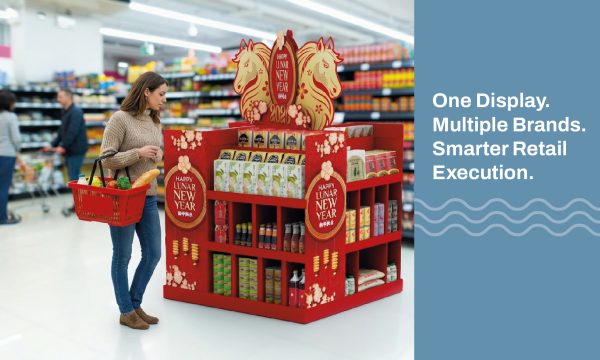
Multi-vendor display programs bring complementary brands together into a single, cohesive retail solution, aligning directly with how retailers are rethinking merchandising today.
These programs are designed to:
- Drive incremental sales through cross-category merchandising
- Improve sell-through with more engaging retail experiences
- Reduce execution issues with pre-assembled, store-ready displays
- Lower costs through shared program investment
- Scale efficiently across multiple retailers and regions
Bay Cities’ vertically integrated approach, from design, manufacturing, packout, fulfillment, testing, distribution and retail knowledge – can help reduce handoffs, improve operational efficiencies , and create stronger execution consistency across retail environments.
Final Takeaway
The future of grocery retail will be defined by intentional shopping, connected retail experiences, and stronger collaboration between retailers and suppliers.
The brands that win in this environment will not simply have better products; they will execute better. Success will depend on the ability to connect merchandising strategy, packaging, supply chain execution, and retail readiness into a seamless system that supports both retailer objectives and shopper expectations.
FAQ: Bay Cities Multi-Vendor Display Programs
What is a multi-vendor display program?
A multi-vendor display program combines products from multiple brands into a single, themed retail display that is shipped together and arrives store-ready, helping drive cross-category sales and simplify execution.
How do multi-vendor programs benefit brands?
They enable brands to participate in large-scale retail programs with shared costs, flexible commitment levels, and increased visibility while aligning with retailer merchandising strategies.
How do multi-vendor programs improve retail execution?
Displays are pre-assembled and shipped with a single UPC, reducing in-store labor, minimizing setup issues, and improving execution consistency across locations.
Why are cross-category displays important in grocery retail?
Cross-category merchandising helps recreate impulse and increase basket size by presenting shoppers with complete solutions instead of individual products.
What capabilities support successful retail execution?
Integrated capabilities like in-house design, digital print, manufacturing, ISTA testing, EDI, packout, fulfillment, and retail program management help improve responsiveness, simplify execution, and create more scalable retail programs.
Can multi-vendor programs scale across national retailers?
Yes. Multi-vendor programs are designed to scale efficiently through coordinated logistics, retail expertise, local production capabilities, and integrated fulfillment strategies that help streamline distribution and reduce freight costs.
Planning Retail Programs for 2026?
If you’re looking to improve retail execution, accelerate speed-to-market, or build more impactful cross-category merchandising programs, we can help.
From packaging and displays to multi-vendor retail programs, our team supports brands with integrated solutions designed to simplify execution and drive stronger in-store impact.
Connect with us to start planning your next retail program!