

Retail display programs are complex, involving design, engineering, compliance, and retailer approval—all on tight timelines. Even small missteps can lead to rejected submissions, production delays, and missed launch windows. Understanding the most common retail display mistakes is the first step to avoiding costly setbacks.
Why Retail Display Mistakes Cause Approval and Launch Delays
Retail display mistakes aren’t just design issues; they’re operational risks. What looks like a small oversight early on can quickly snowball into retailer rejection, production delays, or costly rework.
In today’s retail environment, where speed-to-market is critical, even minor missteps can trigger missed timelines, delayed launches, and lost sales opportunities. Displays must move seamlessly from concept to approval to production, and any disconnect along the way slows everything down.
That’s why leading brands focus on identifying and eliminating mistakes before submission, not after. A display that fails to support the customer journey, creates aisle congestion, or adds visual clutter can become just as damaging as a compliance issue. In many cases, approval delays start with small choices that later affect customer experience, traffic flow, or how easily store teams can interact with the unit in real conditions.
Mistake 1: Ignoring Retailer Requirements Too Late
One of the most common—and avoidable—causes of approval delays is failing to review retailer requirements early in the process.
Each retailer has specific guidelines, including routing guides, around footprint, materials, signage, structural integrity, and even how displays are shipped and stocked, plus feature sticker requirements, logistic instructions, and ship to locations. Missing these details often leads to rejected submissions or revision cycles that push timelines back.
Too often, teams design first and validate later. The result? Displays that look great in concept but don’t meet retailer standards.
At Bay Cities, our deep knowledge of retailer guidelines is built into the process from the start, helping brands design to spec, not retrofit after the fact. That same expertise shapes our retail packaging, so compliance is built in from the first concept. That early alignment can also improve how the final display fits the retail store layout, supports customer movement, and avoids later issues tied to traffic, counter placement, or shelf adjacency.
Mistake 2: Designing a Display That Is Hard to Produce
Not all creative concepts are production-ready.
Overly complex structures, unrealistic materials, or intricate finishes can create major challenges once a display hits manufacturing. What works in a rendering may not translate efficiently—or affordably—on the production floor.
Weak engineering is another common issue. Displays must withstand shipping, handling, and in-store use, which requires structural integrity validated through testing.
The most successful programs align design with real-world manufacturing capabilities from day one, leveraging expertise in materials, printing methods, and structural engineering to avoid breakdowns later in the process. A successful program also considers how the display will stand in-store, how merchandise will be organized on each rack or shelf line, and whether the structure can deliver the intended appeal without becoming too busy or ineffective.
Mistake 3: Overlooking Product Fit and In-Store Functionality
A display isn’t successful unless it works in-store.
Poor product fit, incorrect facings, or hard-to-stock layouts create friction for store associates and reduce the effectiveness of the display. If replenishment is difficult or the setup is confusing, the display may never be executed as intended at retail.
This is where the connection between design and execution becomes critical. Displays should be built for real-world conditions, easy to assemble, intuitive to stock, and optimized for shopper interaction. If the unit does not organize merchandise clearly, the customer may struggle to locate products, compare price points, or make a quick purchase decision. Poorly planned racks, counters, or varying heights can also overwhelm the shopper and make shopping feel less natural.
In-store functionality should support both the customer and the store team. The most effective programs make shopping easier, reduce clutter, and improve the overall shopping experience by helping the customer interact with the display in a way that feels intuitive, not forced.
Mistake 4: Missing Compliance, Labeling, or Approval Details
Compliance issues are often underestimated, but they’re a major source of delays.
Incorrect barcodes, missing legal copy, unapproved claims, or incomplete retailer documentation can halt approvals entirely. Even if the structure and design are correct, these details can prevent a display from moving forward.
Internal alignment is just as important. Submitting a display before all internal approvals are finalized increases the risk of last-minute changes, leading to rework and resubmission.
Strong processes ensure that every compliance checkpoint is addressed before submission, not after rejection. It is also important to review how graphics, poster elements, and pricing details appear to the customer. A legal or labeling issue may stop approval, but unclear claims, missing price communication, or a mismatch between the display and the merchandise can also hurt in-store success once the unit launches.
Mistake 5: Failing to Validate Structural Integrity Before Production
Many retail displays look great on screen but fail when subjected to real-world shipping, handling, and retail environments.
A display that lacks structural integrity can collapse under product weight, suffer damage during transit, or arrive at stores with components broken, bent, or out of place. These failures often result in rejected shipments, replacement costs, retailer complaints, and delayed launches.
One of the biggest mistakes brands make is assuming a display will perform as intended without validating it under actual shipping conditions. Even well-designed displays can experience issues if board strength, structural engineering, or product retention have not been properly tested.
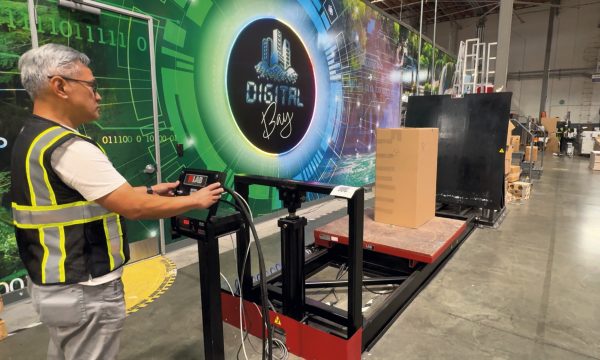
That’s why structural testing should be part of the development process—not an afterthought. At Bay Cities, all display programs are evaluated through ISTA-certified testing protocols to verify board strength, structural performance, and product stability throughout the supply chain.
Testing helps confirm that displays can withstand vibration, compression, impacts, and other transportation stresses while keeping products securely in place and retail-ready upon arrival.
Bay Cities operates dedicated in-house ISTA-certified testing labs that help identify potential weaknesses before production begins, reducing the risk of costly shipping failures and launch delays.
By validating structural integrity early, brands can avoid rework, protect product quality, and ensure displays arrive in stores exactly as intended—ready for execution and ready to sell. This is especially important for displays meant to attract customer attention in high-traffic areas, where weak structure, poor lighting conditions, or a crowded retail store environment can quickly expose flaws that were easy to miss in a concept review.
Mistake 6: Treating Approval and Launch as Separate Phases
Approval doesn’t equal readiness.
A display can be technically approved by a retailer but still fall short when it comes to production, packout, or in-store execution. This disconnect often leads to delays during rollout—even after approval is secured.
Successful brands treat approval and launch as part of the same process. That means designing displays that are not only retailer-compliant, but also optimized for manufacturing, logistics, assembly, and store execution.
As a full-service strategic partner and preferred vendor of various retailers, Bay Cities integrates design, manufacturing, packout, and logistics to ensure displays are truly launch-ready—not just approval-ready. That includes planning for the real customer experience, how shoppers will enter the aisle, where the display will draw attention, and whether the final solution will provide a cohesive brand presence instead of adding clutter or confusion.
How Brands Can Avoid These Retail Display Mistakes
Avoiding delays comes down to alignment and process.
Start by reviewing retailer requirements upfront. Bring design, engineering, and compliance teams together early to ensure alignment. Validate structure and product fit before submission and use proofs and prototypes to catch issues early.
Finally, build a repeatable checklist that ensures nothing is missed—from compliance details to production readiness. That checklist should also include customer-facing considerations: lighting, traffic flow, merchandise organization, rack and shelf fit, pricing clarity, and whether the display helps make shopping easier. A quick internal audit before submission can improve approval readiness while also strengthening customer appeal and launch success.
Brands should also update display plans seasonally when needed. A seasonal refresh, graphic update, or smaller structural adjustment can improve relevance, attract customer attention, and keep a once-effective display from becoming stale over time.
FAQ
What are the most common retail display mistakes?
The most common mistakes include ignoring retailer requirements, designing displays that are difficult to produce, poor product fit, missing compliance details, skipping prototype reviews, and failing to plan for full-scale rollout. Other common issues include cluttered layouts, poor customer flow, weak merchandise organization, and displays that overwhelm the shopper instead of helping them engage with the offer.
What causes approval delays for retail displays?
Approval delays are typically caused by non-compliance with retailer guidelines, incomplete documentation, structural issues, or missing labeling and legal requirements.
How can brands prevent POP display production mistakes?
Brands can prevent mistakes by aligning design with manufacturing capabilities early, validating structures through prototypes, and working with experienced partners who understand retailer requirements and production realities. It also helps to review how the customer will interact with the display, whether the graphics communicate the offer clearly, and how the unit will perform in a busy store during the full season or campaign period.
Why should retail displays be reviewed before submission?
Pre-submission reviews help catch structural, graphic, and compliance issues early, reducing the risk of rejection, rework, and costly delays during production and launch. They also provide a chance to improve the customer experience, confirm the display can stand up to store traffic, and make sure the final unit will deliver the intended appeal in a real retail setting.
Ready to avoid approval delays and launch your next display with confidence? Contact Bay Cities today to learn how our design, testing, manufacturing, and fulfillment experts can help bring your retail program to life—on time and retail-ready.