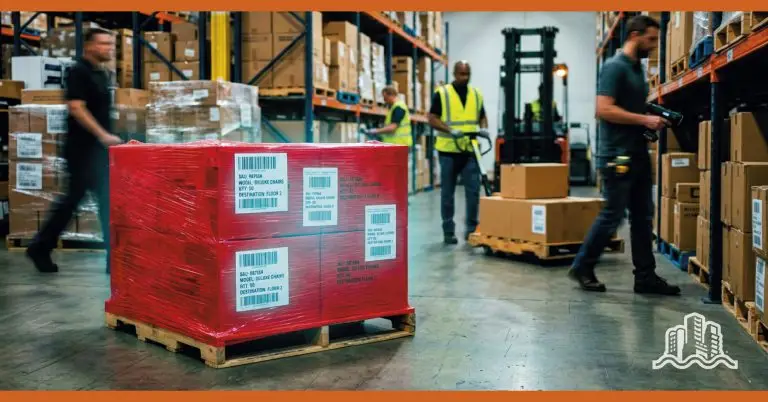
In our previous post, we explored how retail shrink is often driven by operational inefficiencies, not just theft. One of the most overlooked inefficiencies? Losing the sell-through window because product doesn’t arrive on time.
Many retail programs are time-sensitive. They’re tied to:
- Seasonal moments
- Holiday promotions
- Theatrical releases
- Feature placements
As Bay Cities Sales Team Lead James Baber explains:
“Many retail programs are time-sensitive. If the truck with, say, ‘Toy Story 3’ product is sitting at the retailer not being unloaded, and the release date comes and goes, the window to really sell is kind of gone.”
Retailers plan these features carefully. In Walmart’s case, placements for its popular “Action Alley” are assigned to specific high-traffic locations for a defined period of time. Once that period ends, the space is reassigned.
If the product isn’t there when the window opens, the retail program may never fully recover.
And that’s where “prepaid” freight becomes critical.
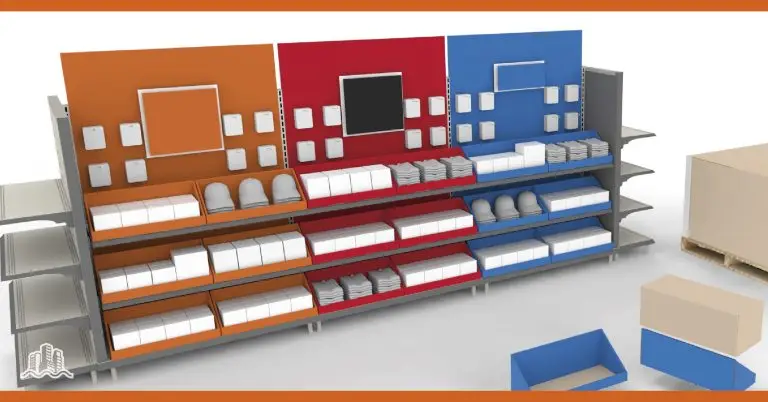
The Power of POP Displays
When a retailer purchases a SKU, that item is tied to a vendor agreement that includes freight terms.
In a “Collect” shipping model:
- The retailer uses its own transportation network.
- A negotiated freight factor is built into the cost of goods.
- Freight moves through the retailer’s consolidation system.
On paper, the product ships and is “received.”
But, in practice, “Collect” freight may:
- Be delayed in moving through consolidation and rail networks
- Sit in distribution center yards for days
- Be partially unloaded (with some pallets delayed)
- Miss its in-store feature window
For programs that only live in-store for four to six weeks, those delays are significant. Even a few days of dwell time can compress the selling period and impact performance.
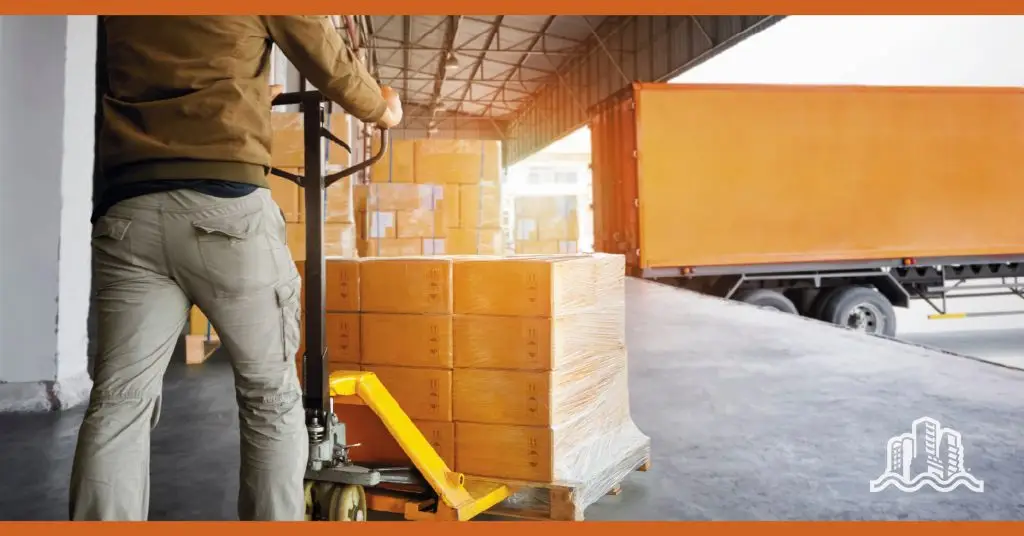
The Execution Gap: When Freight Becomes the Bottleneck
Bay Cities often serves as a consolidator vendor of record for multi-vendor programs, such as licensed entertainment trains that include apparel, toys, collectibles, and other merchandise from multiple manufacturers.
In earlier iterations of these programs, when freight moved “Collect,” execution gaps sometimes emerged. Shipments would show as received at the distribution center, but portions of the load could be delayed or staged separately within the network. In one case, a portion of a program was routed into what was internally referred to as “problem freight,” significantly delaying store arrival.
The lesson was clear:
Shipping and receiving are not the same thing as execution.
To close that gap, Bay Cities worked directly with retail partners to restructure how these programs moved through the supply chain — converting them from “Collect” freight to “Prepaid” freight.
Why Prepaid Freight Changes the Outcome
The most important operational difference? Live unload.
When freight ships “prepaid:”
External carriers are used.
Distribution centers must unload the truck the day it arrives.
The trailer cannot sit in the yard waiting for prioritization.
As James explains, “Prepaid loads come into the DC network as a live unload. They can’t sit on the yard. They have to be worked the day they arrive.”
That single shift creates compliance within the supply chain.
In this context, compliance means the program being received, moved, and executed in-store within its assigned window — exactly as planned.
Instead of:
- Sitting in a yard
- Waiting for prioritization
- Getting partially received
- Losing pallets
- Missing feature space
The product:
- Gets unloaded immediately
- Moves quickly through cross-dock
- Ships to stores on schedule
- Hits the floor while space is still allocated
Transit Time Matters
There’s also a fundamental difference in transit windows.
“Collect” freight often:
- Moves through consolidation networks
- Includes rail transport
- Can take 21–28 days on long hauls
“Prepaid” freight typically moves:
- Over the road
- Within a 5–7 day window
That difference creates flexibility.
If product is delayed at port, slowed in production, or impacted by unexpected disruptions, prepaid freight provides a tighter delivery window, allowing brands to still hit their feature date.
For major programs, that difference can mean the distinction between full-price sell-through and costly markdowns.
Why This Matters for Shrink
Shrink isn’t always about missing inventory. Sometimes it’s about missed opportunity.
When programs:
- Arrive late
- Execute partially
- Miss their feature window
- Lose allocated floor space
- Or sell at markdown
Margins erode.
Even if every unit technically “arrived,” the operational breakdown creates financial loss.
“Prepaid” freight reduces that risk by improving compliance, accelerating flow through distribution centers, and protecting the sell-through window that retailers carefully plan.
In other words:
Better execution upstream means less shrink downstream.
Bay Cities’ solutions to shrink doesn’t stop there. Check back in to learn about our store-ready solutions.