When we published our Navigating SB 54 blog last year, California’s landmark packaging legislation was still taking shape. Since then, the state has reached an important milestone—and for brands with packaging in California, it’s time to pay attention. On June 15, Circular Action Alliance (CAA), California’s approved Producer Responsibility Organization (PRO), submitted the state’s first SB 54 Program Plan. The plan is now in a 60-day public comment period before a final version is submitted to CalRecycle this October. While there are still details to be finalized, several key developments stand out:
- California’s illustrative EPR fee schedule has now been released. The fee structure continues to reinforce what we’ve been discussing with customers: fiber-based materials such as clean corrugated are among the lowest-cost packaging options, while materials like PVC, foam, and certain laminated or difficult-to-recycle packaging carry significantly higher fees.
- The transition away from hard-to-recycle materials continues. The current program plan makes clear that materials such as PVC clamshells will face increasing pressure to be redesigned, replaced, or qualify for limited exemptions as California works toward its 2032 goals.
- Implementation timelines are evolving. Due to regulatory delays, the initial source reduction milestone may be pushed back, giving companies additional time to prepare. However, the long-term direction of SB 54 has not changed, and planning ahead remains the best strategy.
- Some technical questions remain. For example, California is still evaluating how trace amounts of plastics in inks and adhesives will be treated when determining fee categories. These are the types of implementation details that will continue to develop through the public comment process.

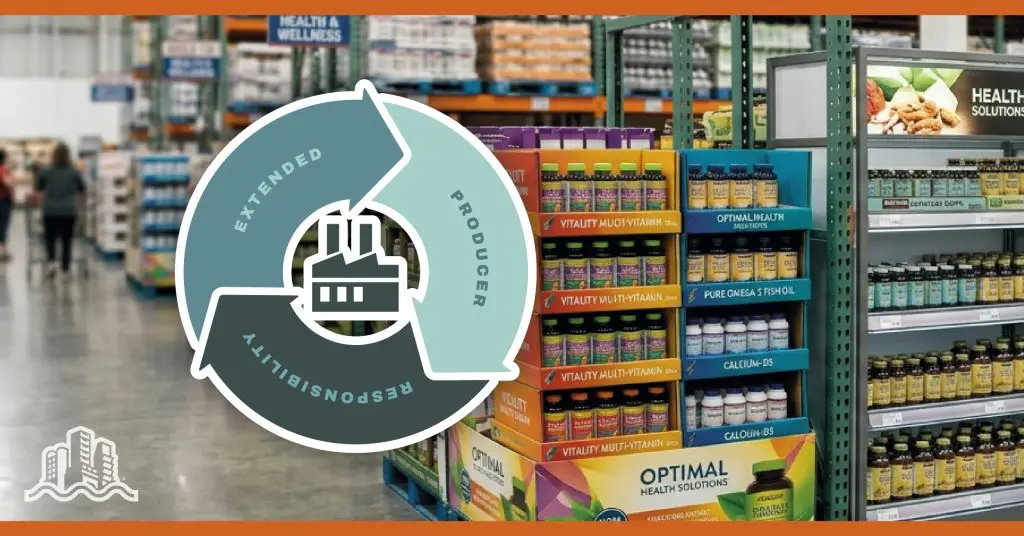
At Bay Cities, we’re actively monitoring SB 54 and broader Extended Producer Responsibility (EPR) legislation as it continues to evolve. Recent articles from Resource Recycling and Packaging Insights reinforce the importance of thoughtful packaging design and cross-industry collaboration as EPR programs continue to expand. Whether you’re evaluating packaging materials, considering design changes, or simply trying to understand what these regulations mean for your business, we’re here to help. Questions about SB 54 or sustainable packaging? Reach out to our sustainability team anytime at [email protected]. We’re committed to helping our customers navigate changing regulations while identifying packaging solutions that support both compliance and long-term business goals.