
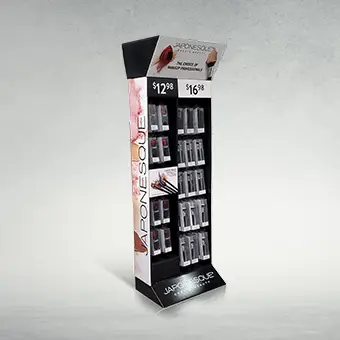
Setting your products apart from the competition in retail space is a priority for you and your fellow stakeholders. When you have the opportunity for a point-of-purchase, or POP display, the right style and design are key to drawing attention to your brand and products in retail stores.
With a POP display, not only do you extend your brand in the marketplace, you also have an opportunity to showcase what your products are and why people should buy them. POP displays come in a wide array of styles, too, ranging from small signs to large floor displays and pallet displays plunked down in the middle of an aisle, so there’s a perfect style out there for your unique products.
Since there are so many different styles, we’ve created this guide to POP displays to help you identify what would be a good fit for your products. This overview of the main types of pop displays can also help teams align format choice with retail goals, campaign timing, and shopper visibility. This overview of the main types of pop displays can also help teams align format choice with retail goals, campaign timing, and shopper visibility.
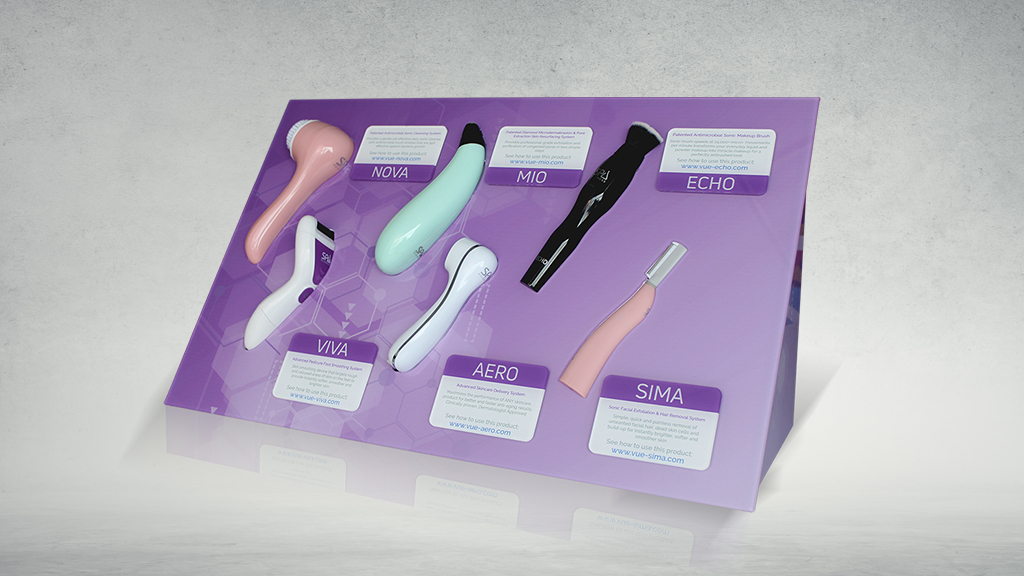
Counter Displays for Point-of-Purchase
Often seen in environments such as convenience stores and grocery stores, counter displays trigger impulse sales right when customers are about to finish a purchase. Use counter displays when space is scarce.
They do well with products that are small, such as personal care products and health and beauty aids. Snacks, breath fresheners, and souvenirs are other examples of items that move quickly when using counter displays. These displays are ideal for products positioned at eye level near checkout, where shoppers may buy impulsively with very little decision time.
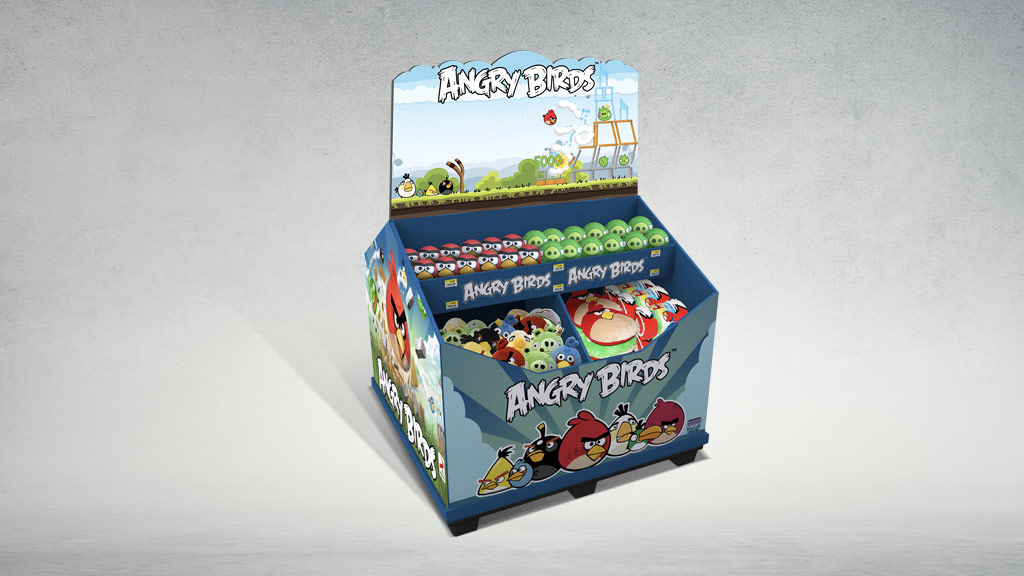
Dump Bins for Temporary Displays
Dump bins are set up on the floor of a retail location, such as in larger big box chains. It’s an easy display to manage, since all that’s required is to fill it with loose products. Bins generally are used for moving high volume products, especially ones priced low to sell quickly.
They’re a traditional choice for seasonal products as well as promotional items since they’re so visible and have a lot of customer traffic passing by. Dump bins aren’t suitable for all goods. For example, fragile products in glass containers wouldn’t work well in them, but lightweight, durable items like backpacks, clothing, and plush toys are fine in this type of display. As one of the more flexible temporary displays, dump bins can also support promoting seasonal products and fast-turn retail programs where speed matters more than long-term durability.

Endcap Displays
When you want to highlight your products to consumers, aim to position them in an endcap display. As their name suggests, these are positioned at the end of a store’s aisle. Use endcaps when you’re launching a new product or want to boost recognition of your brand. They’re also suitable for increasing impulse sales. Many manufacturers use endcaps to sell multiple products from the same display, consolidating their branding. Endcaps are also useful for featuring new merchandise, especially when brands want stronger visibility without interrupting the normal shopping path.
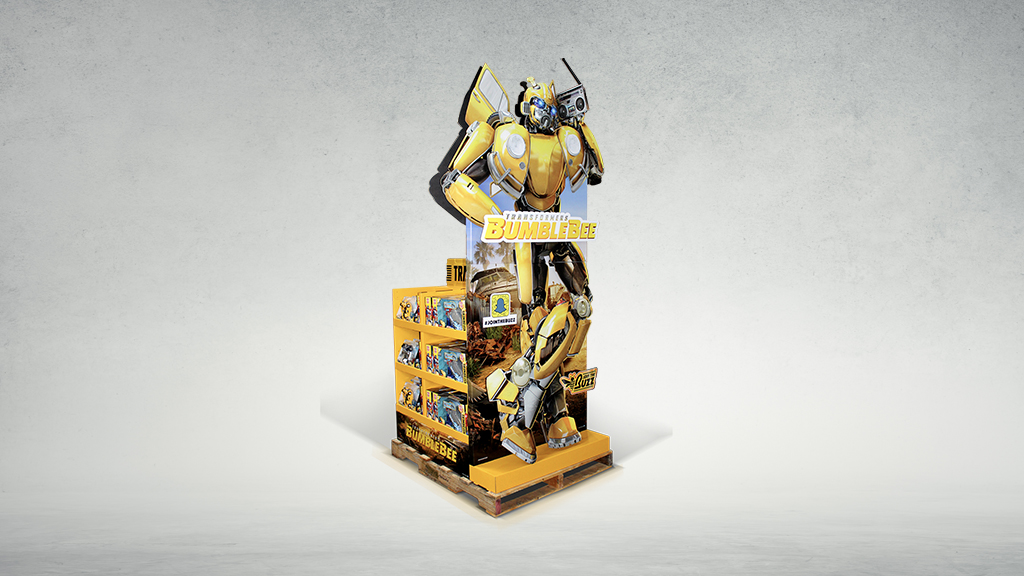
Floor Displays for Temporary Displays and Permanent Displays
Floor displays are free-standing and can be customized in a range of sizes and shapes for something truly unique. They are built from temporary materials for limited sales seasons, but they can be crafted with permanent materials if you plan to be in the store for the long haul.
A chief benefit of floor displays is that you expend zero time on in-store stocking. Floor displays always arrive at the store with products already loaded. This is especially useful when you are pressed for time and want to attract more consumer attention for seasonal sales items. For shorter retail programs, temporary displays can be a strong fit. For longer programs or higher-traffic environments, permanent displays made with more heavy-duty materials can help support a more durable brand presence.
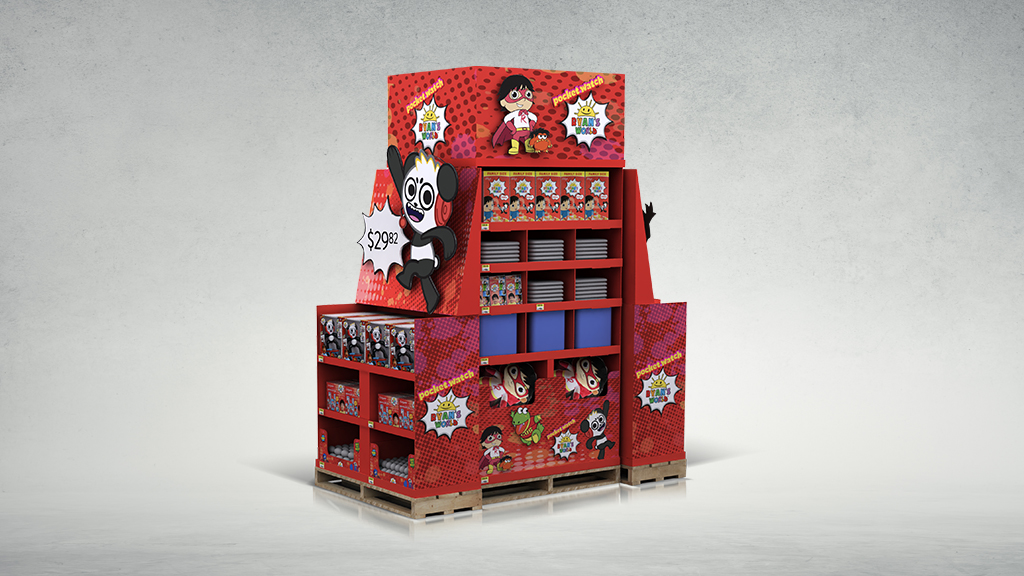
Pallet Displays
Nothing signals “great deal” to customers like a pallet display set in the middle of a store aisle. You can ship such displays directly to your retailers, and they’re positioned on the floor in one piece. Whether you are focusing on a single product SKU or have a number of options for retail, pallet displays help to unload massive amounts of items in the least amount of time. Generally, you will find pallet displays in large warehouse club stores. These displays are often best for consumable products, bulk programs, and fast-moving categories that benefit from high visibility and simplified replenishment.
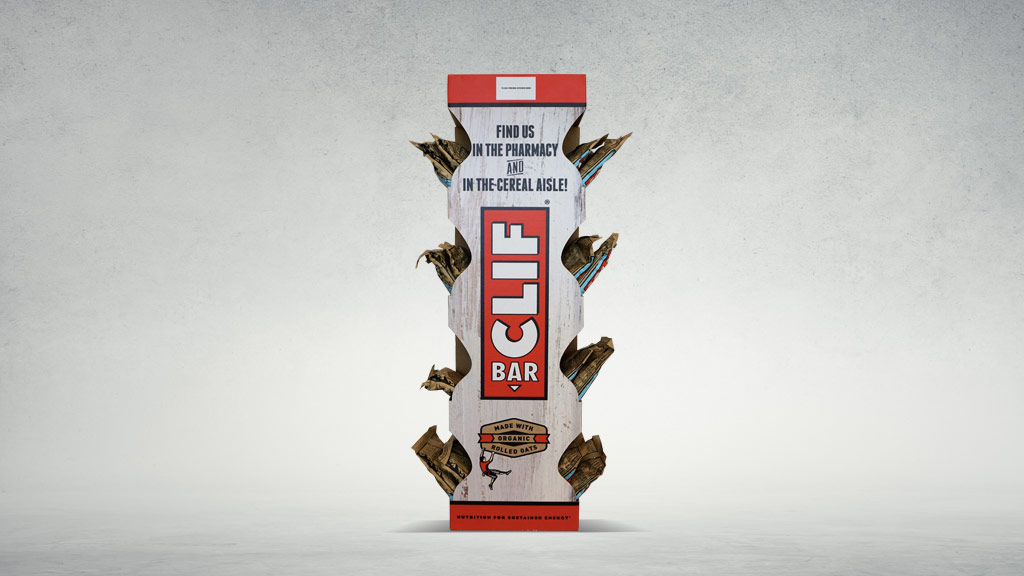
Power Wings
Often referred to as sidekick displays, power wings are attached to store shelves with clips, wire backings, or adhesive. They can also be hung on shelves. While many brands use these positioned at the sides of endcaps, you can set up power wings on most shelves in stores. Use them to market lightweight, smaller products. They don’t take up much space and are good for attracting the attention of customers as easy impulse buys. Because they use minimal floor space, they can work well for smaller in-house promotions and targeted cross-merchandising programs.
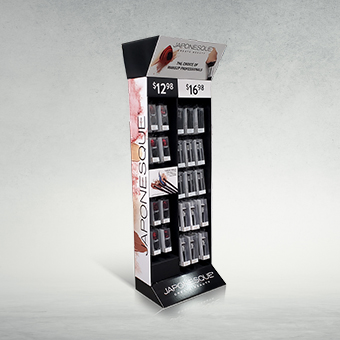
Skinny Towers
Customers can readily access your smaller, lighter items when you display them in a tall, skinny tower. While using little space, they make the most of it by allowing shoppers access to all four sides. Skinny tower POP displays are often seen in drug stores and convenience stores and typically hang products from hooks, present them on shelves or use a combination of the two methods. They are especially effective when brands want vertical visibility in tighter footprints without overwhelming the aisle.

Standees
When your promotional campaign calls for something out of the ordinary and eye-catching, standees should be considered. They are larger than most POP displays and work both as signage and as a means for encouraging purchases. Meant for visual campaigns, you’ll often find them set up to promote movies, games, new product roll-outs, and major events. Standees are useful for collateral pieces and to just convey information about products and services. They can also support broader marketing campaigns when the goal is to combine awareness, graphic impact, and promotional storytelling in one display.
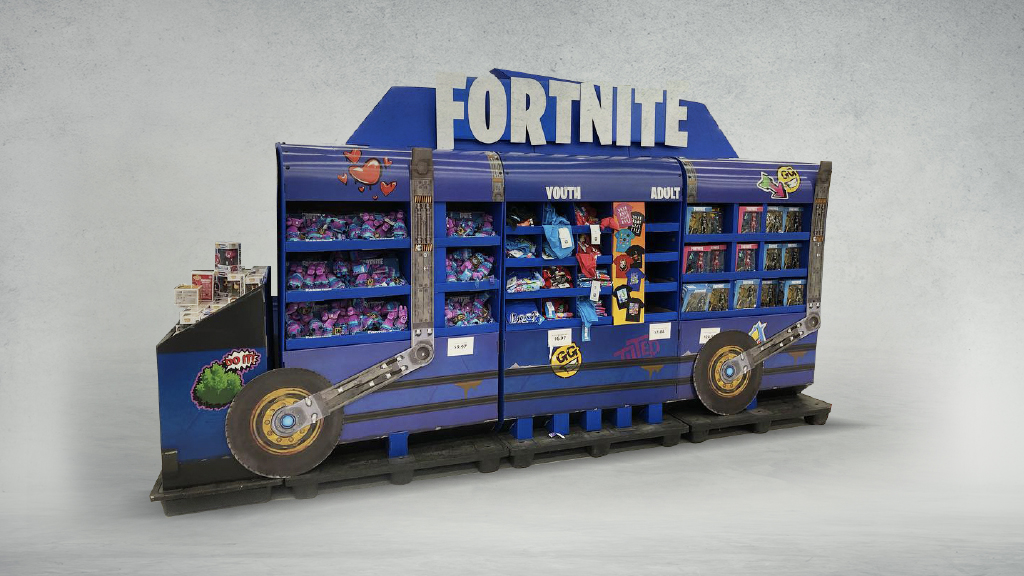
Trains for POS Displays
Functioning as sales-oriented, artistic groupings of pallet displays, trains are used to promote multiple products or product lines at the same time. They’re often the preferred choice when multiple vendors join forces to sell items from one POS display. Licensed products and seasonal items are well suited to train POS displays. When multiple brands or SKUs need to be merchandised together, this format can help create a larger visual statement at the point of purchase.

Trend Pods
When it’s time to debut a new product line in the market and boost your brand awareness, trend pods are a good option. Often placed at aisle endcaps, trend pods show customers the latest (“trending”) products. Naturally, these are often going to be impulse items. Note that trend pods are a type of POS that you’ll find used only in Wal-Mart stores.
FAQs
What is the difference between POP and POS displays?
POP displays influence purchase decisions throughout the store, while POS displays are usually positioned at checkout to encourage last-minute add-on purchases. POP is broader; POS is more transaction-adjacent.
What are temporary POP displays used for?
Temporary displays are commonly used for seasonal promotions, limited-time offers, product launches, and other short retail windows where fast setup and cost-efficiency matter most.
How do I choose the right POP display?
Start with the retail environment, the amount of available space, the product type, and how long the program needs to stay in the market. The right display is the one that fits both shopper behavior and operational realities in-store.
How do POP displays increase shopper engagement?
POP displays improve product visibility, create stronger in-store presence, and place products where shoppers are more likely to notice and interact with them. That can help support stronger consideration and more unplanned purchases.
Customizing POP Displays for Your Business with Sustainability in Mind
You’ll certainly be occupying some prime real estate when you showcase your products in POP displays. It’s clear that point-of-purchase displays are an ideal way to encourage sales of your products while customers are inside a store as well as raise brand awareness for those who may not have seen your products before. Depending on the program, displays made from corrugated materials can also support recycling goals, improve recyclability, and align with broader sustainability priorities without sacrificing visual impact.
With more than 60 years of experience in the industry, Bay Cities can help you develop a custom and unique POP display for your upcoming retail program. For more inspiration about what’s possible, click here to check our POP display products. Whether you need temporary displays for a limited launch, permanent displays for a longer retail presence, or display bins for high-volume merchandising, our team can help shape the right solution for your category—from cosmetic and electronics programs to other retail needs.
If you’ve already sold your display program with a retailer, then contact us to start your design process:
{{cta(‘4c0bfff1-6df4-4c27-9d3a-3d86cf12e015′,’justifycenter’)}}