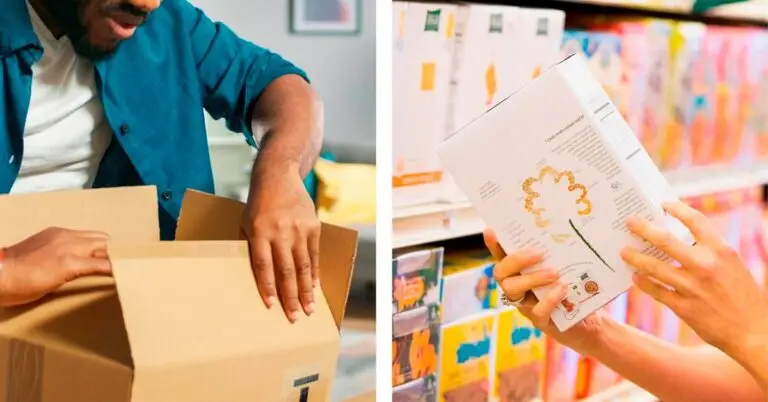

Efficiency is a critical objective of retailers. And when it comes to efficient packaging, one type promises unparalleled efficiency — along with a host of other benefits. We’re talking about retail ready packaging (RRP).
Also known as shelf-ready packaging, this versatile packaging type sees products from shipping to shelving with no additional materials or handling requirements. As a packaging solution, RRP can simplify movement through the supply chain while helping products reach the retail shelf faster.
Wondering whether retail ready packaging is right for your business? Here’s a closer look at RRP, its benefits, and how to start putting this innovative solution to work for your retail operation.
What is Retail Ready Packaging?
Conventional product packaging comprises several elements, including the primary packaging containing products and the secondary packaging used to protect the primary packaging during shipping. Retail ready packaging bridges the gap between the two by serving both purposes. It allows a product to go directly from transportation to display — with no need for additional packaging from the onset or unpacking once it reaches its destination. The container and the display unit are the same.
In simple terms, retail-ready packaging takes a shipping case and turns it into a shelf-ready packaging format that supports transportation, stocking, and presentation. How the packaging is made should account for every stage of the supply chain, not only how it looks once it reaches the store.
While the RRP concept has been around for nearly two decades, it’s on its way to becoming the retail norm thanks to its ease and efficiency. This is no better evidenced than by Walmart’s adoption of RRP.
One of many big box retailers to utilize RRP, the retail giant referred to the earliest incarnation of this packaging method as “PDQ,” aka “Pretty Darn Quick.” With speed as the priority for optimizing product sell-through, Walmart recognized RRP’s value in helping associates get the job done while enhancing the in-store customer experience.
Brands researching RRP standards may also encounter guidance associated with the Institute of Grocery Distribution, a frequently referenced source in discussions about shelf-ready formats and retail efficiency. Regardless of the source, retailer-specific requirements should always guide the final design.
Types of Retail Ready Packaging
There are many types of retail ready packaging, including:
- Pre-filled shelf trays made of corrugated cardboard (During transit, a removable cover is used to enclose the unit)
- Plastic trays, which can be reused in the future, are often returned to the supplier for future shipments
- Freestanding merchandising units, such as features and display units
- Other pallet display types, such as end caps, sidekicks, and stacking trays and bins
The right solution depends on the product, retailer requirements, distribution model, packing line, and how customers are expected to shop related products at the shelf.
4 Benefits of Retail Ready Packaging
1. Ease of use
RRP solutions are engineered for easy and fast identification and opening during stocking. This is especially useful for mass and grocery merchants looking to reduce placement errors. Because strength and durability are design imperatives with RRP, the appearance, integrity, and quality of products are preserved during transport.
The best part? The same attributes that make RRP better for retailers also make it better for customers.
A consistent shelf-ready packaging format can also make it easier for store teams to recognize related products, verify placement, and move the correct case from the stockroom to the retail shelf.
2. Cost savings (and safer employees)
Faster and easier stocking means lower labor hours for bottom-line-minded retailers. (This is especially compelling considering that approximately 25% of a retailer’s costs pertain to finding products in stock, shelving products, disposing of packaging waste, and other labor-related tasks.)
By eliminating the need for potentially dangerous knives, blades, and other tools, businesses also reduce their liability while safeguarding the health and wellness of employees. Not to mention the fact that at this time of high turnover and job vacancy rates, RRP has the potential to support a better work environment and higher morale for employees.
When the design also works with the brand’s packing line, it can reduce unnecessary handling before products enter the supply chain. For high-volume programs, automation may help form, fill, close, or palletize cases more consistently. Brands planning to automate any part of the process should confirm equipment compatibility before finalizing the structure.
3. Lower environmental impact
RRP is inherently purposeful. Because it factors shipping into the display design, the packaging is kept to a minimum. Less packaging means less waste, cost savings on things like warehouse space and freight, and a smaller carbon footprint for your business.
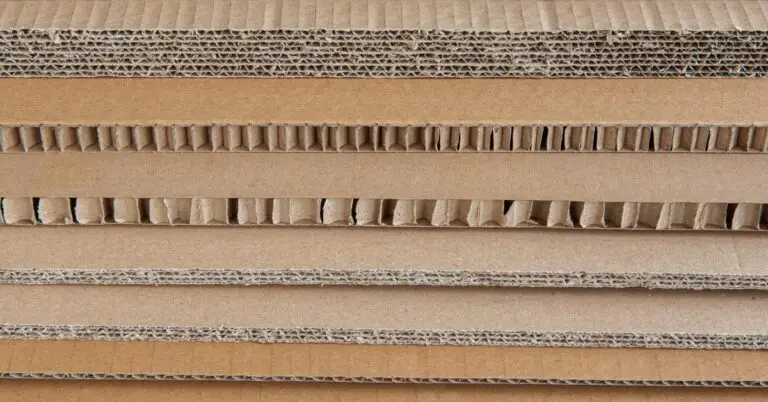
Plus, commonly used RRP corrugated cardboard is highly recyclable — a win-win-win for companies, consumers, and the planet.
4. Built-in marketing opportunities
When you incorporate branding into your RRP design, you turn your packaging into a powerful marketing tool. The result? Improved brand recognition, a better customer experience, and more sales.
A well-designed shelf-ready packaging solution can also group related products clearly, reinforce campaign messaging, and create a more cohesive presentation at the point of purchase.
What Makes Retail-Ready Packaging an Effective Packaging Solution in Store Environments
Effective retail-ready packaging does more than move a case from distribution to the sales floor. It helps store teams identify products fast, remove the outer structure with less effort, and get products placed on the shelf in a cleaner, more consistent way. Strong RRP performs across identification, opening, stocking, shopping, and disposal, not just shipping.
It must also perform consistently across the supply chain. A case that works in production but fails during transportation—or arrives intact but is difficult to convert in-store—is not a complete solution.
Why Shelf-Ready Packaging Has to Work Beyond Transit
The best shelf-ready packaging is engineered for what happens after units arrive at the store. That means the pack must withstand transit, then convert quickly into a presentation that is easy for store staff to place, maintain, and replenish. When the product arrives in a format that supports both logistics and merchandising, brands can minimize handling friction and help products maintain a stronger shelf presence.
The Core Traits of Effective RRP
At a practical level, an effective RRP should be easy to identify, easy to open, and easy to remove once it reaches the aisle. It should also support visibility, keep units stable after the top is torn away, and help ensure the product is shopper-ready without unnecessary repacking. For CPG companies, that balance is what turns a corrugated case into a stronger retail execution tool.
The design should also account for product weight, case count, retail shelf dimensions, pack orientation, and how related products will appear together. These details help ensure that the final solution supports both operational requirements and shopper-facing presentation.
How to Design Shelf-Ready Formats for Fast Identification, Opening, and Safe Stocking
Designing effective RRP starts with the reality of the stockroom and aisle. Teams need to locate the right case, understand where it belongs, and convert it from shipper to merchandiser with minimal effort.
Make the Pack Easy to Identify
Graphics and print layout should help teams quickly identify the item, flavor, SKU, or assortment without rotating the case. Clear printing on more than one side can help teams locate products faster in back-of-house environments and support smoother movement from pallet to aisle. This matters even more for seasonal and holiday programs where timing, placement, and speed are more sensitive.
Engineer for Clean, Safe Opening
A good RRP structure should be easy to open without requiring box cutters, where possible. Perforations, tear features, and controlled glue patterns allow teams to remove the top cleanly and reduce rough edges. The goal is not just a quick open—it’s a safer conversion from shipper to display tray that protects product and helps teams stock efficiently.
Design for Confident Shelf Placement
Once the outer panel is removed, the tray should look intentional. Front walls should support access, units should remain neat, and the structure should not tear in a way that compromises brand presentation. Strong shelf placement design creates a cleaner look at the moment the product is placed on the shelf and reduces the need to reorganize the product by hand.
How Shelf-Ready Packaging Improves the Shopper Experience on Shelves
RRP is not only for operations. It also affects how shoppers see, reach, and select products.
Better Access and Easier Shopping
When a tray is designed well, shoppers can see what they need, reach in without obstruction, and return an item neatly if they change their mind. That’s what makes packaging easy to shop. The best structures remove barriers between the shopper and the product while still supporting order and brand presentation on the shelves.
Visibility Supports the Brand
At its best, RRP frames the product; it doesn’t hide it. Clean tray edges, clear product orientation, and strong visibility let the product stand out on the shelf without adding clutter. In crowded retail categories, the package has to act as both a transport unit and a branded display that competes at the moment of selection.
How RRP Supports Faster Replenishment and Fewer Out-of-Stock Moments
Retailers value RRP because it can shorten the time between stockroom receipt and shelf availability. The data consistently ties RRP to faster stocking, cleaner handling, and fewer interruptions in on-shelf availability.
Faster to Stock, Easier to Replenish
When the shipper converts directly into a display tray, teams can get product to the aisle with fewer steps. That helps stores restock faster and makes replenishment more consistent across locations. Instead of opening cartons, separating inner units, and rebuilding the set, staff can replenish the section using a more standardized pack format.
A standardized shelf-ready packaging format can make replenishment more predictable across stores, particularly when the same product moves through multiple distribution points before reaching the shelf.
Better Execution Can Help Minimize Out-of-Stocks
If the unit is simpler to open, easier to position, and faster to restock, it is easier for retailers to keep product available. That matters for everyday programs and for seasonal windows when lost facings can mean lost sales. RRP helps brands raise execution quality by making the path from back room to shelf more consistent.
How Shelf-Ready Packaging Supports the Supply Chain and Packing Line
RRP performs best when structural design begins before production decisions are finalized. The case should fit the product, move through the packing line, withstand stacking and transportation, and convert cleanly once it reaches the store.
For brands with automated operations, equipment limitations may influence board grade, glue placement, flap design, case dimensions, and opening features. Reviewing those requirements early helps create a packaging solution that supports production speed without sacrificing in-store usability.
This end-to-end approach connects manufacturing, distribution, stocking, merchandising, and disposal. It also helps reduce the risk of solving one supply chain challenge while unintentionally creating another.
Disposal, Recyclability, and Reusable Formats: Key Packaging Requirements
High-performing RRP should work at the end of the cycle too. Once the product is removed, the remaining material should be simple to handle without creating clutter on the shelf.
Plan for Easy Removal and Disposal
After stocking, teams need to remove leftover material fast. Structures that tear cleanly and leave less waste behind can make disposal easier for the store and support a tidier aisle. This is one of the overlooked packaging requirements that separates functional RRP from truly operational packaging.
Recyclable and Reusable Formats
Corrugated remains an ideal choice in many programs because it is widely accepted for recycling and can support strong print and structure. In some use cases, reusable plastic trays may also provide value where return systems or long-term circulation models make sense. The right answer depends on the product, the retailer, and the program’s packaging needs—especially for seasonal launches, holiday displays, or programs balancing sustainability goals with labor efficiency.
FAQs
What is shelf-ready packaging?
Shelf-ready packaging is a shipper designed to move through distribution and then convert into a format that can be stocked directly at retail with less handling. In practice, it’s packaging that helps staff identify, open, stock, and dispose of product more efficiently once it reaches the store.
What makes SRP easy for stores to use?
The most effective SRP is easy to identify, safe to open, quick to stock, and simple to dispose of. Features like clear print, perforations, stable trays, and cleaner tear lines can reduce labor and help products get placed on the shelf faster.
How does retail-ready packaging help reduce out-of-stocks?
RRP gives retail teams a more direct path from back room to aisle. Because the case converts into a display-ready tray, staff can replenish faster, spend less time handling loose units, and keep products on the shelf more consistently.
How Does RRP Support the Supply Chain?
RRP can reduce handling between production, distribution, stocking, and presentation. A well-planned solution protects products during transportation, helps store teams replenish faster, and reduces the need to remove and dispose of separate shipping materials before products reach the shelf.
When should brands contact a packaging partner about shelf-ready design?
Brands should engage a packaging partner early when they need to improve shelf execution, support new launches, align with retailer requirements, or redesign formats across channels. Early collaboration ensures the structure, graphics, and material choices support both merchandising and operations at scale.
Get Started with Retail Ready Packaging
In today’s intensely competitive retail market, survival relies on a solid brand-customer connection. Ultimately, RRP nurtures this direct and indirect connection across everything from greater shelf appeal to more sustainable practices.
If your brand isn’t using retail ready packaging yet, there’s no better time to consider how this innovative packaging solution can help you simplify and streamline your packaging strategy. Bringing more than 70 years of packaging and display expertise to the table, Bay Cities Packaging & Design is eager to help.