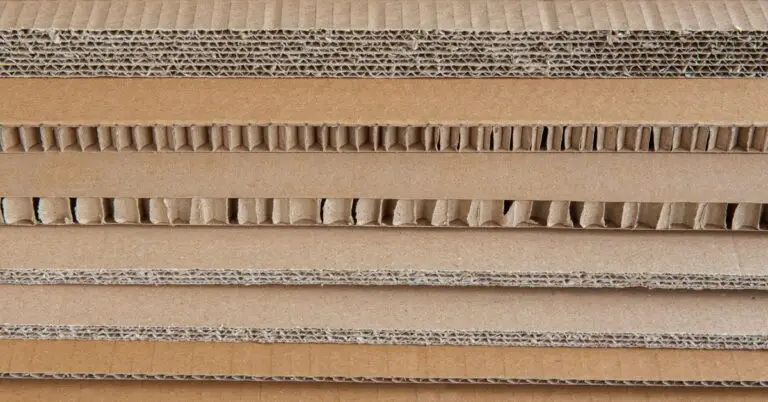
Corrugated and paperboard are similar yet different materials used in packaging. Though both materials are commonly used for packaging, they have unique properties that make them ideal for specific applications. Let’s explore what makes each material unique and how they can be used together to provide even more benefits to your shipping needs.
The main difference between cardboard and corrugated packaging is their structure. Paperboard is generally made from a single sheet of thick paper, while corrugated material uses multiple layers to create additional strength, rigidity, and cushioning.
What is Corrugated Packaging, and How Does It Protect a Package?
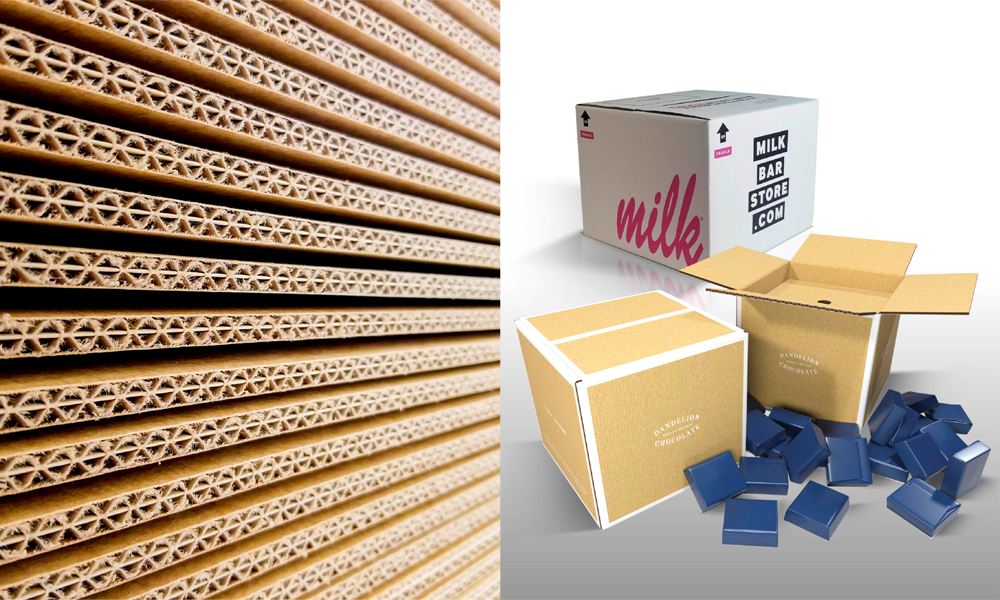
When transporting items, it’s essential to have a packaging solution that can provide durability and strength. This is where corrugated material comes in. It’s a type of material that consists of alternating flat and fluted sheets, designed to enhance the power of the package while safeguarding the items inside during shipping. Due to its sustainable nature, corrugated cardboard is often favored as an environmentally friendly packaging material. It is recyclable, renewable, and biodegradable, making it a responsible choice for both businesses and consumers.
This paper-based material is often used for protecting your products throughout the supply chain, including storage in a warehouse, distribution, transportation, and final delivery. Its structural design helps the package withstand stacking pressure, repeated handling, and potential damage during transit.
This material comprises outer layers and a wavy central layer called the flute. The type of flute used can significantly impact the performance of the corrugated material. Let’s explore these aspects in more detail:
There are two primary types of corrugated packaging offered at Bay Cities:
- Single-wall corrugated is the most common and cost-effective option.
- Double-wall corrugated is sturdier and provides additional protection for heavier items.
Note: As the number of layers increases, so does the strength of the packaging. The appropriate type of corrugated packaging is chosen based on the level of protection required for your item.
Single-wall corrugated may be suitable for a lighter carton, retail display, or standard shipping container. Double-wall construction offers a more rigid, heavy-duty option for products that need added cushioning or greater resistance to warehouse and distribution conditions.
E-flute is a thin, fine flute that is ideal for printing and folding. It provides more cushion than paperboard and is often used for packaging items like cosmetics, electronics, and small to medium sized trays and counter displays.
B-flute is a medium-sized flute that strikes a balance between cushioning and stacking strength. It’s commonly used for retail packaging and displays.
C-flute is one of the most common types of flutes for shipping boxes. It provides good cushioning and strength during transit and is the thickest single-wall corrugated flute used by Bay Cities.
The right flute can help protect products while reducing unnecessary material and cost. Selection should account for product weight, fragility, print requirements, handling conditions, and how the box will move through the supply chain.
What is Paperboard and When Should a Brand Use It?
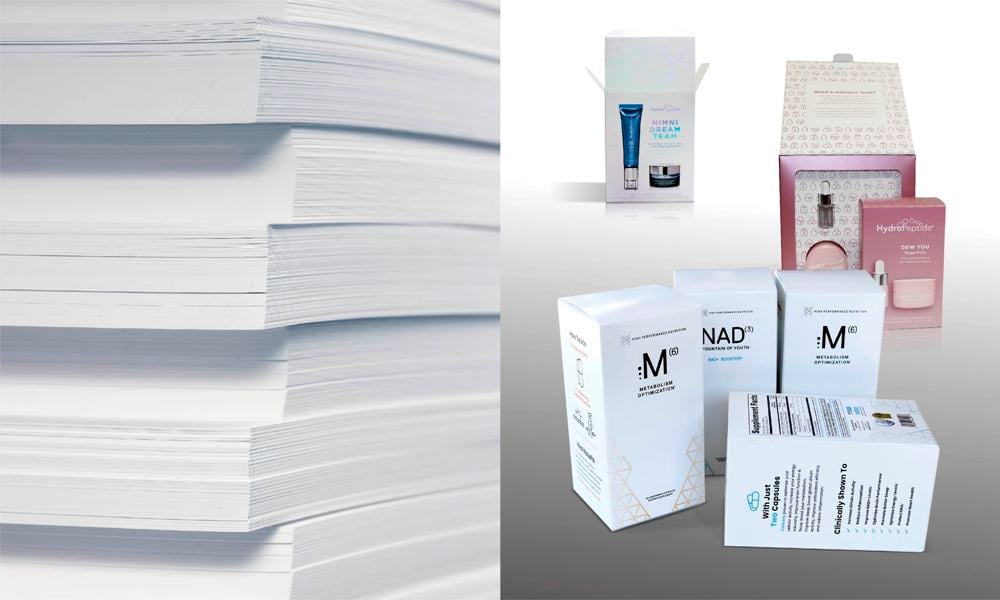
Paperboard is composed of multiple layers of paper that are expertly pressed together, making it a go-to material for products that require lightweight features. Paperboard is a popular choice for smaller items, or designs that require many intricate folds and do not require extra protective cushioning. Some examples are: retail packaging for pharmaceuticals, cosmetics, food, and consumer electronics. Paperboard packaging is usually put into a master shipping box or POP display made of corrugated material. It is also commonly used to create partitions and dividers within boxes to separate and protect scuffing of individual product items.
Compared with corrugated material, paperboard is thinner and better suited to a folding carton, branded sleeve, insert, or lightweight retail container. Its smooth surface can support detailed graphics, marketing messages, and a more polished customer experience.
Two main types of paperboard exist:
- Chipboard composed of recycled paper fibers that are pressed and bonded together. Usually gray or brown in color. Acceptable, but not ideal, for printing high-quality graphics.
- Solid Bleached Sulfate (SBS) paperboard is a high-quality packaging material known for its white brightness, smooth surface, and excellent printability. It is commonly used for a variety of packaging applications due to its versatility and aesthetic appeal.
A manufacturer may recommend chipboard when cost and recycled content are priorities, while SBS may be a better choice when print quality, brand presentation, or premium unboxing are more important.
Cardboard and Corrugated: What Is the Difference?
Although the terms are often used interchangeably, cardboard and corrugated materials differ in construction and performance. Cardboard usually refers to paperboard made from a thick paper-based sheet. Corrugated packaging includes fluted material between liner sheets, creating a stronger structure for shipping and protective applications.
Paperboard is often used for a retail carton, food package, cosmetic box, or lightweight grocery product. Corrugated containers are more commonly used to ship, store, and protect products that must withstand stacking, handling, and longer distribution cycles.
Corrugated vs. Paperboard: Which Material Is Better for Shipping?
Corrugated is generally the stronger option for shipping because its fluted structure adds cushioning and rigidity. It can help reduce damage when products move between a manufacturer, warehouse, retail location, and customer.
Paperboard may be appropriate when the primary package is lightweight and another corrugated container or protective wrap is used for delivery. In many cases, the two materials work together: the paperboard carton supports presentation, while the corrugated box provides protection during handling and transportation.
Which Material Is Right For Your Business?
The best material for your needs will depend on the specific application. Considering the advantages and disadvantages of corrugated and paperboard materials is fundamental. Each has its unique qualities to weigh when making a decision on which to use.
When comparing corrugated vs. paperboard, consider product weight, fragility, shipping distance, storage conditions, printing requirements, cost, and sustainability goals. The materials may also differ based on whether the package is intended for retail display, e-commerce delivery, or long-term warehouse storage.
Whether you need boxes for shipping or storage purposes, shelf displays, retail displays, or point-of-purchase displays, we offer a variety of custom corrugated and paperboard packaging solutions for every application.
Our team of in-house packaging engineers can help you develop the perfect solution for your needs, including ISTA Testing to ensure the highest quality.
FAQs
What Is the Main Difference Between Corrugated and Paperboard?
The main difference is structure. Paperboard is typically made from a thick paper-based sheet, while corrugated packaging includes a fluted layer between liner sheets. That added structure gives corrugated more cushioning, strength, and rigidity for shipping and handling.
Is Corrugated or Paperboard Better for Shipping?
Corrugated is usually the better option for shipping because it can better withstand stacking, warehouse handling, distribution, and delivery. Paperboard may still work well as a retail carton when it is placed inside a stronger corrugated container for transportation.
Can Corrugated and Paperboard Be Used Together?
Yes. The two materials are often combined in one packaging solution. A paperboard carton may support branding and customer experience, while a corrugated box, insert, or divider helps protect products throughout the supply chain.
Which Material Is More Sustainable: Corrugated or Paperboard?
Both materials can support sustainable packaging goals. The better option depends on the application, product protection needs, material use, recyclability, and transportation efficiency. A right-sized package can help reduce damage, excess material, and overall environmental impact.
Sustainability Considerations for Two Paper-Based Materials
Both corrugated and paperboard can support sustainable packaging goals when they are appropriately designed, sourced, and recovered. Right-sizing the package can reduce excess board, filler, storage space, and transportation weight while helping lower environmental impact.
The most sustainable packaging choice is not always the option with the least material. It is the solution that uses enough structure to protect products, reduce damage, and avoid the added cost and waste associated with replacements or returns.
Contact Bay Cities if you are looking for a reliable and experienced partner for your packaging needs. We have the expertise, resources, and commitment to sustainability to help you find the perfect packaging solution for your business.
{{cta(‘c0251d71-fba9-4447-b125-22a5b84612d2’)}}