4 Oct 2026 | Rob Spiegel
The annual celebration showcases modern manufacturing while addressing critical talent gaps and technology integration.
At a Glance
- Over 3,000 events nationwide connect students with manufacturing career opportunities.
- Half a million technician roles remain open as workforce needs grow.
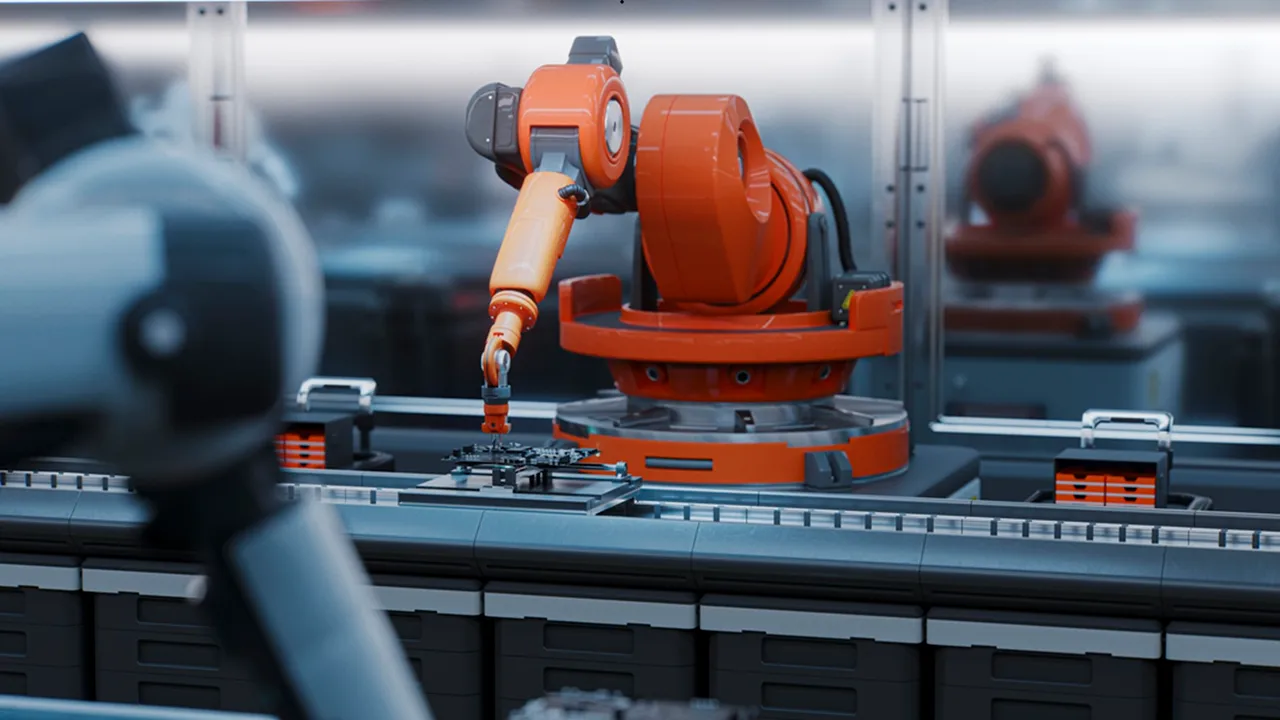
- Physical AI and robotics are transforming factories while keeping people at the center.
Manufacturing Day is celebrated annually on the first Friday of October. The day kicks off National Manufacturing Month—a nationwide initiative designed to showcase modern manufacturing and inspire the next generation of workers. This year, Manufacturing Day fell on October 2.
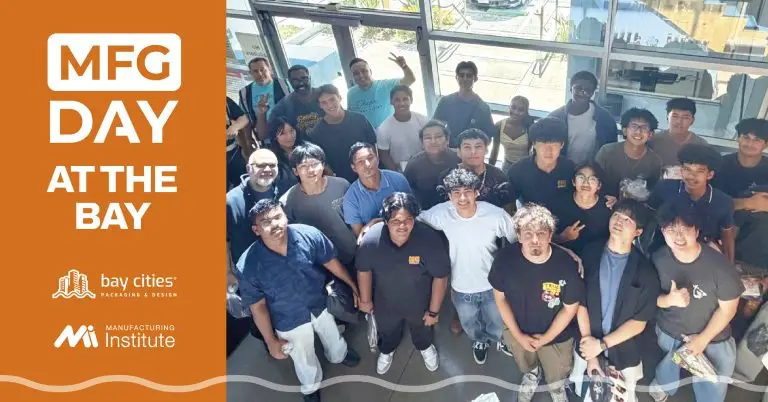
The celebration was created in 2012 by The Manufacturing Institute. This year, the day and the month will attempt to address the growing talent gap and challenge outdated perceptions of the industry. What began as a single-day event has evolved into a month-long celebration featuring more than 3,000 events across the US, attracting over 325,000 students, parents, and community members annually.
During Manufacturing Month, manufacturers open their doors to host plant tours, hands-on activities, career conversations, and community events. These experiences give students and job seekers an inside look at what modern manufacturing really entails—showcasing advanced technology, robotics, automation, and innovative processes that define today’s industry.
Celebrating people & progress
“National Manufacturing Day is a great opportunity to celebrate the people behind manufacturing and also show the next generation what this industry really looks like today,” said Sahar Mehrabzadeh, chief revenue officer of Bay Cities. “Manufacturing has changed so much. It’s innovative, highly automated, and technology-driven, but at the center of it are still great people solving problems, creating new ideas, and making things happen.”
Mehrabzadeh pointed to the career opportunities available: “At Bay Cities, I’ve had the opportunity to see people build incredible careers in this industry and grow into roles they may never have imagined for themselves. I think it’s important that we continue exposing young people to manufacturing and all the different career paths and opportunities it can offer. They are the future of our industry.”
Addressing the workforce challenge
While celebrating achievements, industry leaders also acknowledge significant challenges ahead. “National Manufacturing Day is a chance to recognize the people who keep this industry running and to be honest about the workforce challenge ahead,” says Leanne Taylor, CEO of Syspro. “Research from Deloitte and the Manufacturing Institute found nearly half a million open manufacturing technician roles, with technician employment projected to grow six times faster than production occupations through 2030. That gap doesn’t close on its own.”
Taylor stressed the importance of knowledge transfer: “Manufacturers need to invest in their people and find better ways for experienced employees to pass their knowledge on. AI has a real role to play here by helping them work better—finding the right information faster, understanding what’s happening across the business, making better decisions sooner. But people stay at the center.”
She emphasized that technology must support, not replace, human judgment: “Teams need to see the data and business rules behind every recommendation, understand what an action will affect, and retain approval where human judgment is required. That transparency is what allows manufacturers to adopt new technology without losing the knowledge and accountability their operations depend on.”
The physical AI revolution
Andrei Danescu, CEO and co-founder of Dexory, sees Manufacturing Day as an opportunity to look forward: “This Manufacturing Day, we celebrate the people who ‘make’ our world and the possibilities that this era of manufacturing can unlock. For years, we’ve imagined AI as something that lives on a screen. Today, it is stepping into the physical world. Through robotics, AI is beginning to understand and interact with the places where goods are made and moved, opening a new chapter for manufacturing.”
Danescu believes the impact extends beyond automation: “The promise goes far beyond automating tasks. It is about lifting the burden of repetitive, physically demanding work and giving teams a clearer view of what is happening around them. When people can see more, understand more, and act sooner, they can build better, faster, and more efficient operations while imagining new ways of working.”
He sees this as a collaborative future: “That is what makes physical AI so exciting: the opportunity to put intelligence into action alongside human ingenuity and to build factories and warehouses that are more productive, more resilient, and better places to work. Manufacturing has always turned bold ideas into things we can touch and things that make our lives better. Now, we have new tools to bring the next generation of ideas to life.”
Building connections
The initiative has become one of the most visible workforce development movements in the country, connecting manufacturers with local schools, community colleges, and workforce development organizations. Events range from facility tours and equipment demonstrations to mentoring sessions and networking opportunities.
For manufacturers, it’s an opportunity to highlight their impact, celebrate their workforce, and build relationships with future talent. For communities, it’s a chance to see firsthand how manufacturing drives innovation, creates careers, and strengthens local economies.
Read the full article: Manufacturing Month Spotlights Workforce Challenges & the Future