August 26, 2026 | By Keith Loria
Corrugated packaging and point-of-purchase (POP) display manufacturers are seeing 2026 shaping up to be a year defined by rising expectations. Brands want more sustainable packaging, retailers want greater traceability, and e-commerce companies need packaging that can survive increasingly complex distribution networks while still delivering a memorable customer experience.
At the same time, converters are investing in digital printing, automation, artificial intelligence (AI), and workflow technologies to improve efficiency and remain competitive.
The result is an industry that is evolving far beyond the traditional box.
“The package is the product,” says Greg Tucker, CEO and chairman of Pico Rivera, CA-based Bay Cities Packaging and Design, a custom-printed corrugated packaging and POP display manufacturer with additional locations in Bentonville, AR, and the Chicago and Cincinnati areas. “It adds value and conveys whether what is inside is of value or simply a cheap commodity.”
Sustainability: A Compliance Challenge
Sustainability may be one of the corrugated industry’s biggest opportunities, but it is also becoming one of its most significant business challenges.
Across the country, brands are grappling with Extended Producer Responsibility (EPR) legislation, plastic reduction initiatives, and growing demands for recyclable packaging. As a result, packaging decisions increasingly carry financial, operational, and regulatory implications.
“Regulatory pressure and the paperization of packaging are two significant factors shaping the industry today,” says Wes Carter, president of PRINTING United Alliance member company Atlantic Packaging, a privately held packaging company with corrugated manufacturing, packaging automation, and sustainability-focused operations across North America. “Brands are reexamining their entire packaging portfolios for ways to reduce.”
Those efforts are creating opportunities for corrugated manufacturers as companies seek alternatives to traditional plastic packaging materials.
“We are seeing many brands lean into custom corrugated design for protective packaging that may have historically been in resin-based products like [expanded polystyrene] foam, A-B chemical foam, bubble wrap, and similar materials,” Carter says. “There are significant opportunities to convert these protective formats to paper-based solutions, reduce EPR fees, and meet sustainability goals.”
With legislative and regulatory implications now driving packaging sustainability decisions, brand owners are becoming more specific about their packaging needs. Rather than making broad environmental claims, many are shifting their focus to defined and measurable sustainability metrics and certifications.
“On sustainability, what people actually ask for is specific,” says Sahal Sajid, owner of Teal Packaging, a Chicago-based custom packaging manufacturer specializing in corrugated packaging and folding cartons. “FSC stock, recyclable material, real [certifications]. Not ‘eco-friendly’ as a slogan.”
Sustainability is also driving greater interest in right-sized packaging systems that reduce material usage and shipping inefficiencies.
“True sustainability happens when you combine smart machinery with smart printing,” says Dan Scrimale, senior director of global product development at Packsize, a packaging automation company specializing in on-demand, right-sized corrugated packaging solutions. “Instead of choosing from a few standard box sizes, right-sized packaging automation builds a custom box for that exact order. This instantly cuts down on the amount of material used and eliminates the need for plastic bubble wrap, air pillows, or paper filler.”
Scrimale notes smaller, right-sized packages can also improve shipping density, allowing companies to move more products on each pallet and truckload while reducing transportation-related emissions.
E-Commerce Raises the Bar
While sustainability is driving material choices, e-commerce continues to transform packaging design and performance expectations. For many brands, corrugated packaging has become one of the most important touchpoints in the customer journey.
“Packaging is a brand attribute,” Carter says. “It’s the first thing a consumer interacts with when they receive a product.”
That reality is creating demand for more customized packaging, stronger graphics, and an enhanced connection between the consumer and brand.
“The volume isn’t in plain brown boxes anymore,” Sajid says. “It’s branded mailers and cartons for online brands. The box is part of how they sell now, not just how they ship.”
The operational requirements are changing as well.
“In retail, this vehicle called a box now has to go through six to eight steps or touches to get to the shelf,” Tucker says. “E-commerce packaging has to go through up to 18 touches to get to the doorstep and bring that same euphoria that the consumer experienced when she first ordered that product.”
That increased complexity has elevated the importance of both structural design and visual presentation.
“With e-commerce packaging, we see more and more printing on the outside and on the inside of the carton,” Tucker says. “For all intents and purposes, the party’s on the inside.”
Digital Printing Reaches an Inflection Point
Once viewed primarily as a niche solution for short runs, digital printing has matured into a mainstream production technology that is helping converters meet growing demands for flexibility and speed.
“One of the biggest shifts we’re seeing is the growing demand for flexibility,” says Evandro Matteucci, head of global corrugated business at HP Industrial Print. “Brands want the ability to update packaging quickly for seasonal promotions, limited-edition products, regional campaigns, and other customer-specific experiences without the cost and complexity of traditional print runs.”
Digital printing is also changing how companies think about packaging inventories.
“On-demand printing is shifting the industry from a bulk-buying model to a just-in-time model,” Scrimale says. “In the past, getting high-quality custom graphics on a box required massive, expensive custom setups, which forced companies to tie up cash and warehouse space with large inventories of preprinted packaging.”
By allowing graphics to be printed when needed, digital printing and production systems help brands reduce obsolete inventory while making it easier to update packaging for promotions, product changes, and regulatory requirements.
Therefore, digital printing is creating opportunities for smaller brands that did not exist just a few years ago.
“One under-covered shift is minimums,” Sajid says. “Most converters still won’t quote you under 250 to 1,000 units. We run 50. That puts custom packaging in reach of a whole tier of small brands the industry used to ignore.”
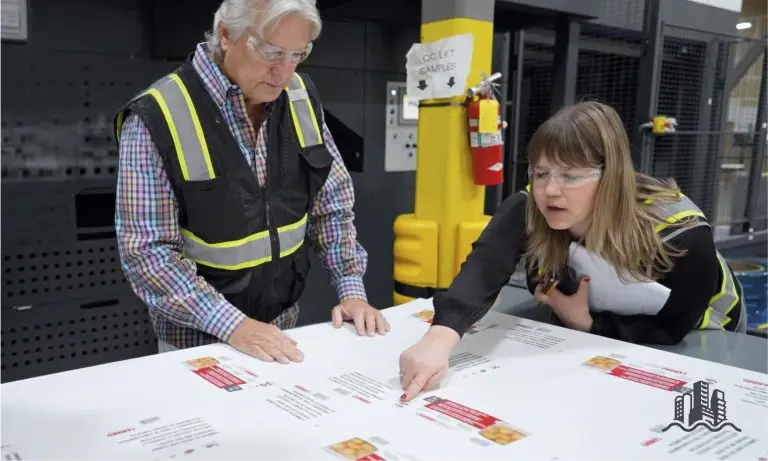
Considering digital printing’s relative newness to the industry, ensuring customer peace of mind often necessitates strong communication to establish expectations. Tucker shares that prior to production runs, Bay Cities will produce a mockup so customers will see their results prior to printing.
According to Tucker, brands are becoming more accepting of digital printing, given its potential for cost savings, fast turnarounds, and lower inventory requirements.
“Brands accept this as they see sustainable savings, speed to market, and reduction of obsolescence when digital printing is chosen,” Tucker says.
Automation and AI In Daily Operations
Automation has long been part of corrugated manufacturing, but the conversation today extends well beyond robotics and equipment upgrades.
“In my eyes, automation appears in a few areas,” Tucker says. “Equipment, workflows, and AI automation.”
At the same time, package printers and converters are deploying software-driven automation throughout their operations.
“AI and agentic AI is helping workflows work across all the departments to drive faster results in many areas,” Tucker says.
Artificial intelligence is also beginning to influence future workflow planning.
“Soon we will see agents scheduling and our clients’ agents will see our open capacity and place work orders directly into our production facilities,” Tucker says.
Packaging and Displays Become Strategic Assets
Packaging providers are no longer being asked simply to manufacture boxes and displays. They are increasingly expected to help customers solve business problems, support marketing initiatives, improve sustainability performance, and enhance the consumer’s engagement.
“There is far more transparency and collaboration today,” Carter says. “The demand on packaging providers from consumers has never been higher.”
With this confluence of trends and technology impacting the segment, corrugated packaging and display printers are poised to turn boxes into critical marketing and product protection vehicles.
“As simple of a thing a box is, it is one of the most complex and most important items in the world,” Tucker says. “After all, the package is the product.”
View the full article: https://www.packagingimpressions.com/post/trends-reshaping-corrugated-packaging-and-pop-displays/