03 Sept 2026 | By Gage Edwards
In this Q&A with Waste360’s Gage Edwards, Bay Cities’ Sara Lowe explains that packaging EPR compliance goes far beyond switching from plastic to paper, requiring brands to simplify packaging, design components for recyclability and separation, maintain detailed SKU-level data, involve suppliers early and prepare for reporting deadlines and fees that remain in effect despite ongoing legal challenges.
Q&A: What Brands Get Wrong About Packaging EPR Compliance
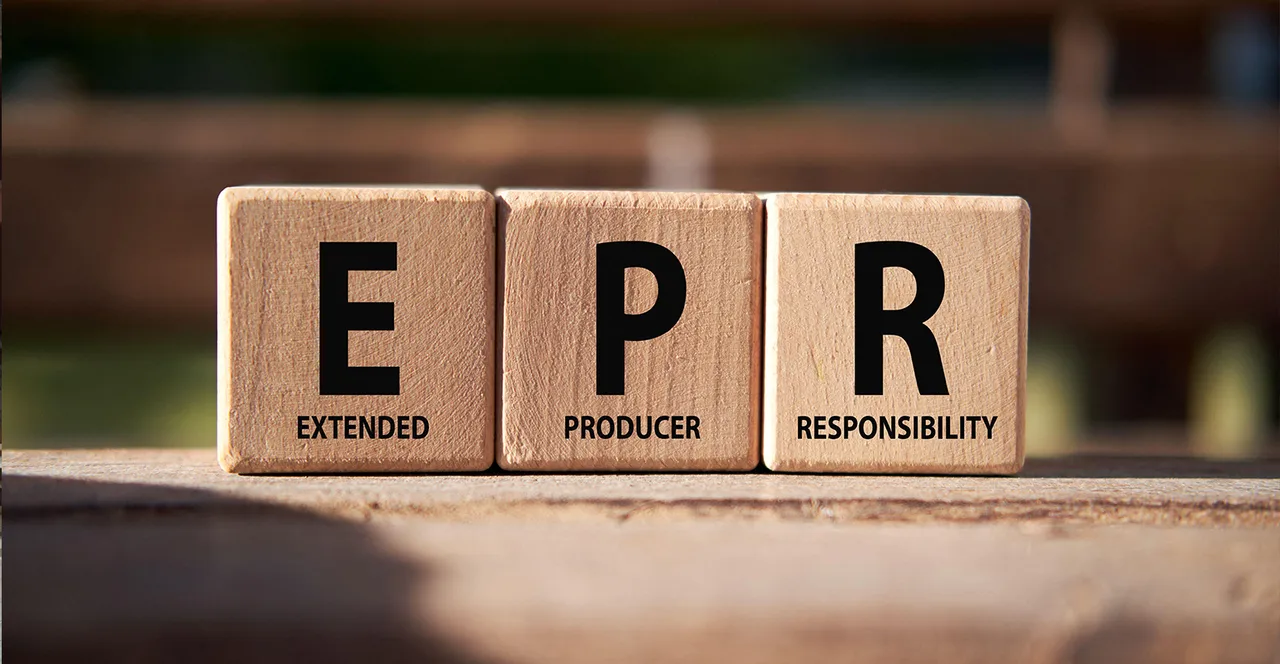
As packaging EPR laws continue to take effect across the U.S., brands are facing new requirements around how they manage the packaging they put into the marketplace. But compliance involves more than choosing a different substrate. Sara Lowe, senior executive administrator at Bay Cities, says brands need to look beyond the common plastic-to-paper solution and understand the data, reporting, and fee requirements that come with EPR.
In a Q&A with Waste360, Lowe breaks down why material choice is only one piece of the EPR equation. She discusses how materials can be assessed differently based on the recycling infrastructure available to them, why packaging complexity can increase both reporting requirements and costs, and how the design of individual components can affect fee assessments. She also explains why brands should be thinking about EPR earlier in the product development process, bringing packaging suppliers into the conversation and treating compliance as an ongoing part of managing a packaging portfolio rather than a one-time regulatory exercise.
Waste360: As packaging EPR laws continue to expand, why is the idea that brands can simply switch from plastic to paper and solve their compliance challenges an oversimplification? What are some of the key obligations companies need to understand beyond their choice of packaging material?
Lowe: Plastic became the default substrate because it’s cheap, light, and holds up against moisture better than paper. What it doesn’t do well is the back end. Once it hits the waste stream it gets expensive to collect and process, and historically that cost sat with municipalities and residents rather than the brands that put the packaging into the world. EPR shifts that cost onto the brands generating it. Switching to paper can lower a fee bill, but it doesn’t touch the underlying obligation. A brand still has to register with its PRO, report packaging data accurately, and pay fees on what it puts into the market, no matter what material it’s using.
Waste360: You have noted that EPR is largely a data and fee mandate, not simply a materials mandate. What does that distinction mean in practice for brands, and where are companies most commonly underestimating the amount of information they need to collect and report?
Lowe: Outside of California’s SB 54, which restricts non-recyclable materials starting in 2032, these laws don’t dictate what a package is made of. They dictate that a brand registers, reports its packaging data, and pays fees on it. Where I see brands get caught off guard is the granularity of that reporting. It’s not a single weight figure for a SKU. Every material and every component gets reported as its own line item, and that data has to hold up to PRO scrutiny. Brands that treat this as a one-time registration exercise instead of an ongoing data operation are the ones who end up scrambling.
Waste360: Not all plastics are treated equally within the recycling system. How do materials with established recycling markets, such as PET and HDPE, differ from materials like PVC or multi-material laminates when brands are evaluating both recyclability and potential EPR costs?
Lowe: The assumption I hear constantly is that all plastic gets penalized the same way. It doesn’t. These programs price materials based on whether there’s an actual functioning recycling market behind them. PET and HDPE have real infrastructure for collection, sorting, and reprocessing, so they get assessed accordingly. PVC, multi-material laminates, and flexible plastics don’t have that ecosystem yet, and they carry a higher fee as a result. For brands, that’s the more useful lens than “plastic bad, paper good.” The question is whether the material has somewhere to go.
Waste360: How does packaging complexity affect EPR compliance? Why can reducing the number of materials and components within a single package be just as important as choosing a more recyclable substrate?
Lowe: Every material and every component in a SKU is a separate reportable line item. A package built from five different materials means five things to track, document, and pay fees on. That reporting burden adds up fast, and it’s often a bigger lift than picking a more recyclable material in the first place. Brands that simplify, using fewer materials and standardizing packaging across a product line, cut down both the administrative load and the fee exposure at the same time.
Waste360: For brands using mixed-material packaging, how are fees typically assessed, and what challenges can arise when a single product includes multiple reportable components or materials?
Lowe: When a package combines materials that a consumer can’t easily separate, it gets assessed as if the entire package were made of the highest-fee component. A paper box with a plastic spout glued in gets priced as plastic, even though most of the package is fiber. Design the spout to pop out cleanly, and the box gets assessed on fiber, with only the spout carrying the plastic fee. That single design choice can be the difference between a package priced as fiber and one priced as plastic. It’s a case where design decisions made early have direct financial consequences down the line.
Waste360: As companies design new products and packaging, what changes should they be making now to better account for EPR requirements? How can packaging design, material selection and data collection work together to reduce both compliance risk and long-term costs?
Lowe: Material selection still matters, but it shouldn’t be the only lever a brand pulls. Once a company has moved toward more circular materials, the next step is reducing complexity across its packaging portfolio and building the data infrastructure to track what’s in every SKU. Design, material choice, and data collection aren’t separate workstreams. A design decision that makes a component easy to separate is also a data decision and a fee decision. This is where supplier partnerships become key – packaging suppliers can provide that design insight in the concept phase and are the source of the data brands need to report. Brands that build those functions and partnerships together end up with lower compliance risk and lower long-term costs than brands treating them as three separate problems.
Waste360: Looking ahead, what is the biggest shift in mindset you believe brands need to make when approaching packaging EPR? What separates companies that are taking a strategic, long-term approach from those that are still treating compliance as simply a matter of switching one material for another?
Lowe: The companies getting this right stopped asking “what material should we use” and started asking “what does our packaging portfolio look like as a system.” That means looking at complexity, separability, and data readiness alongside substrate. The companies still treating this as a plastic-to-paper swap are going to keep chasing fee reductions without ever getting ahead of the reporting burden. The strategic approach treats EPR as a permanent cost of doing business that needs to be engineered into product development, not a one-time fire drill.
What are your thoughts on the recent decision in Oregon regarding EPR?
The biggest stumbling block for brands right now is uncertainty, so it’s useful to see a court take up the main constitutional objections to EPR and address them on a full trial record. The Oregon decision isn’t definitive for every state or every situation, and litigation continues elsewhere on different theories. But it rejected the two arguments that have anchored most of the challenges so far. For manufacturers, the practical point is that none of this changed a compliance deadline. Brands should keep moving forward on the assumption that those deadlines will hold.
Read the full article: https://www.waste360.com/industry-insights/what-brands-get-wrong-about-packaging-epr-compliance